
Are Mexican Tortillas Suitable for Diabetics Based on Ingredients and Portion Size?
What Really Determines Whether Mexican Tortillas Work for a Diabetic Diet
Are Mexican tortillas suitable for diabetics? They can be, but only if you stop treating “tortilla” as a single category. In practice, blood sugar impact depends on three things more than anything else: what the tortilla is made from, how much fiber it contains, and how much of it is eaten in one meal. That is why two tortillas on the shelf can look nearly identical yet behave very differently once they are part of lunch or dinner.
A common misunderstanding is that corn tortillas are automatically better than flour tortillas, or that traditional foods are always safer for glucose control. Neither idea is reliable on its own. A tortilla made from whole-kernel corn or whole-grain flour with a short ingredient list may fit better into a diabetes-conscious eating pattern. A refined version made with low fiber, added fats, or a larger serving size may not. The issue is not whether the food is “Mexican,” but how the carbohydrate is structured and portioned.
For most consumers, the label gives the best starting point. Look first at total carbohydrates, then dietary fiber, and then serving size. If one tortilla contains a modest amount of carbohydrate and contributes meaningful fiber, it will usually be easier to pair with protein, vegetables, and healthy fats without causing as sharp a blood sugar rise as a larger, more refined option. Fiber matters because it tends to slow digestion and reduce the speed at which glucose enters the bloodstream.
Corn, Flour, and What the Label Does Not Say at First Glance
Traditional corn tortillas are often made from nixtamalized corn, water, and little else. That simplicity is one reason many people see them as a more straightforward choice. They are often smaller than flour tortillas, which can help with portion control before the meal even starts. But “smaller” is not the same as “low impact.” Eating three or four small tortillas can easily change the carbohydrate load of the meal.
Flour tortillas vary much more. Some are highly refined and soft because they are made from white flour with shortening or other fats. Others are marketed as whole wheat or high fiber, and those can be more favorable depending on the actual nutrition panel. Texture can be misleading here. A soft, flexible tortilla may feel lighter, but it may also be denser in calories and refined starch than a simple corn tortilla.
Another point worth understanding is that ingredients affect more than nutrition claims. In food manufacturing, grain structure, moisture handling, and heat treatment all shape the final product. The same principle applies across bakery and snack processing. Equipment such as the Electrode Baking Oven, used in bread crumbs production equipment, is designed to create uniform internal and external baking while keeping browning low and crumb structure orderly. That kind of process control does not tell you whether a tortilla is diabetic-friendly, but it does show how food texture and digestibility are often linked to formulation and processing rather than to a simple category label.
Portion Size Changes the Answer
This is where many otherwise sensible food choices go off track. A tortilla may fit well into a meal, but the meal may still become too carbohydrate-heavy if the portions expand quietly. One burrito-sized tortilla can contain far more carbohydrate than two street-style corn tortillas. Add rice, beans, sweetened sauces, and chips on the side, and the total glycemic load of the meal shifts quickly.
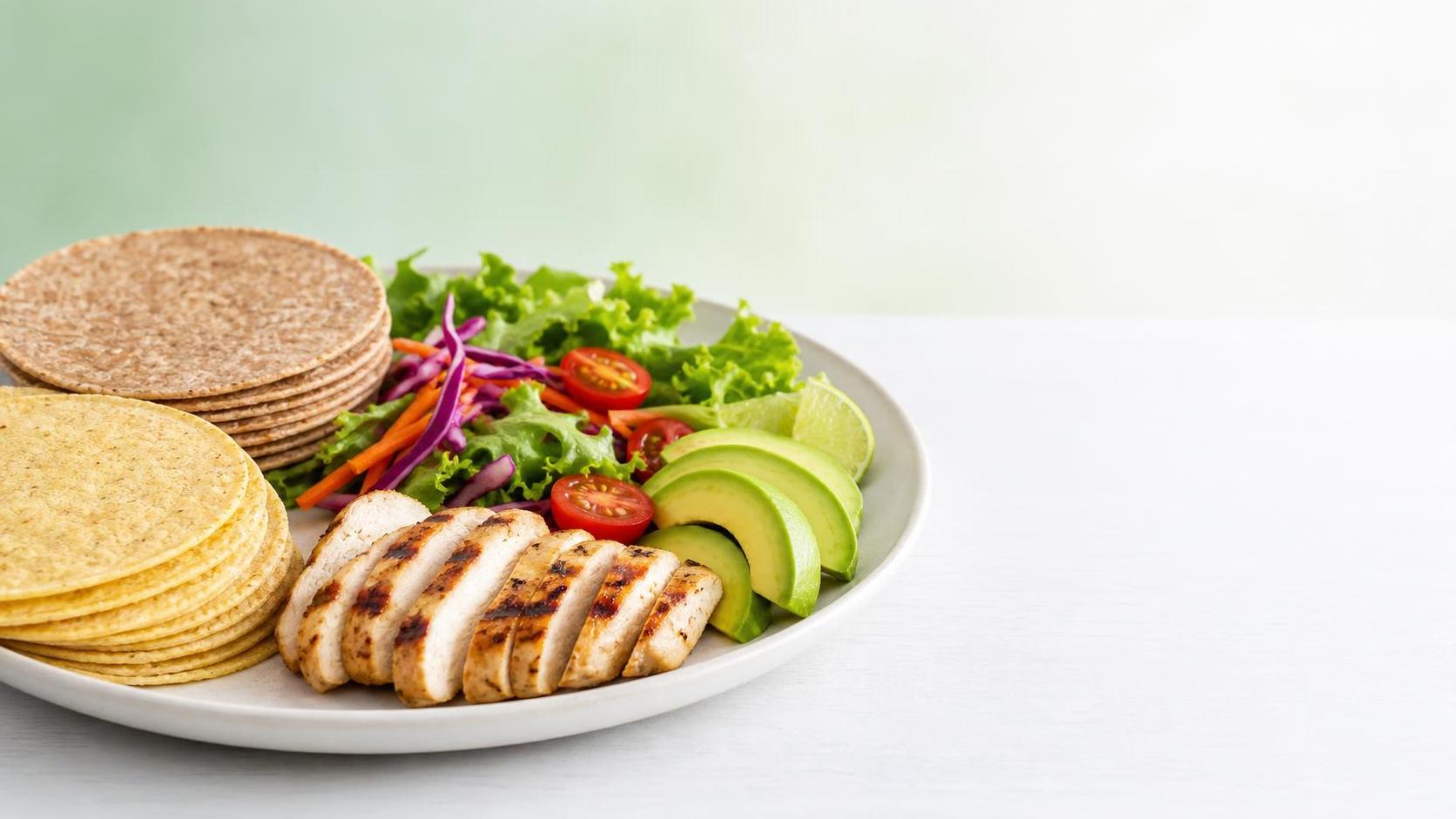
That is why dietitians and diabetes educators usually focus on the whole plate instead of isolating one food. A tortilla eaten with grilled chicken, beans in a measured portion, salsa, avocado, and non-starchy vegetables is very different from a tortilla meal built around excess rice, fried fillings, and sugary beverages. The tortilla may be acceptable while the meal pattern is not.
A Practical Way to Judge Tortillas
The smartest buying habit is to compare tortillas side by side instead of relying on front-of-pack language. “Whole wheat,” “artisan,” “authentic,” or “gluten free” are not blood sugar guarantees. Gluten-free tortillas, for example, may still be made with starches that digest quickly. What matters is the finished nutritional profile.
Where People Often Get It Wrong
One mistake is assuming that avoiding bread but eating unlimited tortillas is a meaningful swap. From a glucose-management perspective, the body still responds to total digestible carbohydrate. Another is assuming that homemade or restaurant tortillas are always nutritionally simpler. They may be fresher and more traditional, but portion size and flour refinement still matter.
There is also a tendency to overfocus on the tortilla and ignore everything wrapped inside it. Fillings can be the real issue. Breaded meats, creamy sauces, sweet dressings, or oversized portions of rice can change the metabolic profile more than the tortilla itself. In processed food systems, even crumb texture influences how coatings behave on finished products. That is one reason specialized baking equipment, including the Electrode Baking Oven, emphasizes controlled crumb formation, low-energy baking, and consistent internal structure. For consumers, the takeaway is simple: food quality is built from ingredients and process together, and the same discipline should guide how tortillas are evaluated.
So, Are They Suitable?
Yes, Mexican tortillas can be suitable for diabetics, but only under the right conditions. A better answer is that some tortillas fit a diabetes-conscious diet better than others, and portion size is part of the decision, not an afterthought. Smaller servings, higher fiber, simpler ingredients, and balanced fillings usually point in the right direction.
If you are choosing between products, do not ask only whether tortillas are “allowed.” Ask which tortilla gives you the most control over carbohydrates without turning the meal into a restriction exercise. That is usually the more useful standard in real life, and it leads to choices that are easier to maintain over time.
Tag
Related Products


Leave A Message
If you are interested in our products and want to know more details, please leave a message here, we will reply you as soon as we can.


