
Fat Fish Incident
Bread Crumb Machine Cost: Which Features Add Value and Which Raise Waste
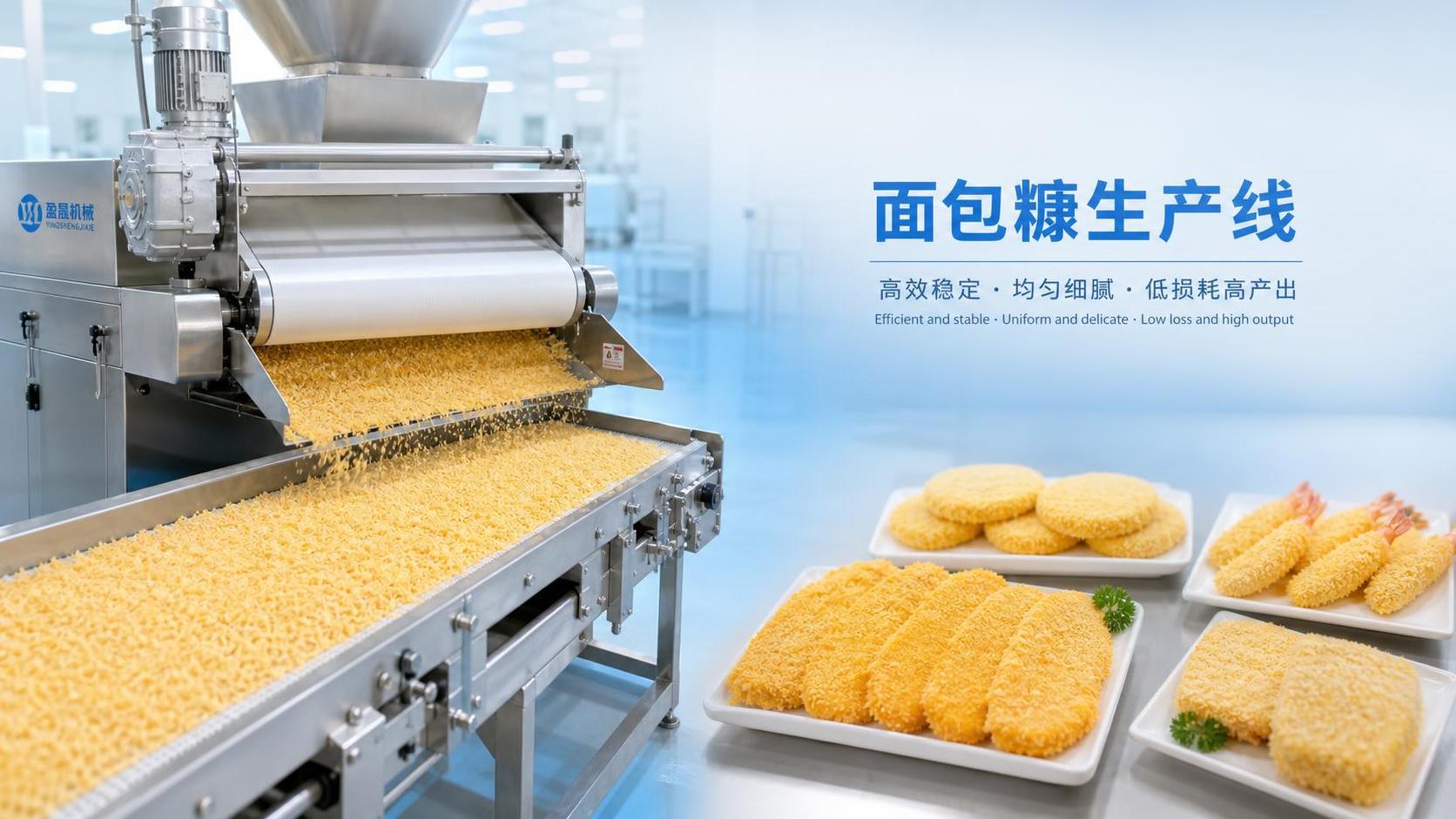
What should a finance approver really look at in Bread Crumb Machine cost?
Start with total operating value, not the quoted machine price. A lower-priced unit can become the more expensive choice if it creates unstable crumb size, high product loss, extra labor, or frequent stoppages. For a finance team, the practical question is simple: which features reduce waste, protect output consistency, and keep production moving?
That is where Bread Crumb Machine cost becomes a purchasing decision rather than a budget line. In food processing, a machine earns its keep when it improves usable yield, lowers rework, and supports predictable production. Features that only look advanced on a brochure but do not change daily results are usually where money gets burned.
Which machine features usually justify a higher price?
The strongest value drivers are the ones tied directly to product quality and line efficiency.
- Consistent crumb size control: If your end product depends on a uniform coating, size variation quickly becomes a cost issue. In coating lines for chicken, fish, or shrimp, uneven crumbs can affect pickup rate, frying appearance, and customer acceptance.
- Stable feed and discharge system: Irregular feeding leads to blockages, downtime, and manual intervention. That means labor cost and lost production time.
- Easy cleaning design: This is often underestimated. Surfaces, contact parts, and access points that are easier to clean reduce sanitation time and shorten changeovers.
- Reliable temperature or baking process control: Where the machine is part of a baked crumb process, stable control matters because overbaked or under-processed crumbs become waste, not inventory.
- Energy efficiency that can be documented: Energy-saving claims only matter when they are tied to measurable operating conditions, not sales language.
If a premium feature changes yield, labor hours, cleaning time, or downtime, it deserves attention. If it does not touch one of those four areas, its value is weaker.
Which add-ons tend to raise waste instead of value?
Three categories should trigger caution.
- Oversized capacity that production will not use. Buying for a future volume that has no approved sales plan often increases capital cost, footprint, and utility demand with no near-term return.
- Complex automation that the line team will bypass. If operators still need manual adjustment because the setup is too complicated, the extra controls do not create savings.
- Special functions that do not match your actual crumb specification. If the business mainly runs one or two standard crumb formats, paying for wide flexibility can be unnecessary.
A good approval habit is to ask, “Which current production problem does this option solve?” If nobody can answer that clearly, the feature is probably decorative spending.
How do I compare two machines when both suppliers claim lower operating cost?
Ask for the same operating inputs from both sides. Without a common basis, comparison becomes noise. For Bread Crumb Machine cost review, the most useful table is usually this one:
The point is not to collect more brochures. It is to force both suppliers onto the same decision frame.
Does the type of crumb product change which machine features matter?
Very much. A machine that works well for one crumb style may be a poor financial fit for another. If your line uses long, needle-like crumbs for a traditional crispy coating, consistency in shape handling becomes more important than broad flexibility.
For example, Baked Bran Needles (Fresh Bran) is used in applications such as chicken cutlets, cod steaks, shrimp steaks, and chicken rice flowers. Its stated size range is 4mm to 16mm, with a long needle-shaped appearance, and it is used in a coating process that may include slurry or egg liquid before frying at 160 degrees Celsius for 3 to 4 minutes until the surface turns golden brown. If this is the kind of output your product team needs, machine selection should focus on preserving crumb structure and maintaining feeding stability. Paying extra for features designed mainly for unrelated crumb formats would not improve the result.
When does higher automation make sense, and when is it just expensive?
Higher automation makes sense when labor is tight, production runs are long, and product specifications do not change every hour. In that setting, automatic control helps keep output steady and reduces dependence on operator skill.
It becomes expensive when the line runs short batches, frequent recipe changes, or low daily volume. Then the business ends up paying for controls that are underused. Finance teams should ask for a clear estimate of labor saved per shift and expected reduction in stoppages. If the supplier cannot link automation to those operating outcomes, the premium is hard to defend.
What supplier information is worth checking before approval?
Do not stop at the quotation. Ask for the documents that affect ownership cost and purchase risk.
- Detailed machine configuration list
- Wear parts list and recommended replacement cycle
- Utility requirements
- Cleaning procedure and time estimate
- Inspection, testing, or quality control arrangement before shipment
- Applicable certification information where stated
This matters on the ingredient side too. If the production plan includes an ISO-labeled crumb product made from wheat flour, water, yeast, and salt, with defined moisture content and a specific coating application, that specification should be visible during equipment review. Machine approval is stronger when it is tied to the real product standard, not a generic category name.
What are the most common buying mistakes behind overspending?
One is treating capacity as the main buying signal. Another is approving the machine before understanding how the crumb will be used downstream. A third is ignoring cleaning and maintenance because they do not appear clearly in the purchase price.
There is also a quieter mistake: reviewing the machine in isolation. If the crumb is part of a full coating process, the machine has to support the required texture, pickup, and frying result. A premium line can still be the wrong investment if it does not align with the food application.
What is a practical approval rule for choosing the right option?
Approve added cost only when the feature can be linked to one measurable business effect: less waste, less labor, less downtime, or better product consistency. If a feature does not improve one of those outcomes under your actual production conditions, it is probably not adding value.
For finance approvers, that keeps the decision grounded. The right Bread Crumb Machine cost is rarely the lowest quote and rarely the most sophisticated machine. It is the one whose price matches the crumb format, production rhythm, and real operating economics of the line.
Tag
Related Products


Leave A Message
If you are interested in our products and want to know more details, please leave a message here, we will reply you as soon as we can.


