
Fat Fish Incident
Choosing Soy Sauce for Noodle Dishes: Light, Dark, or Blended Styles?
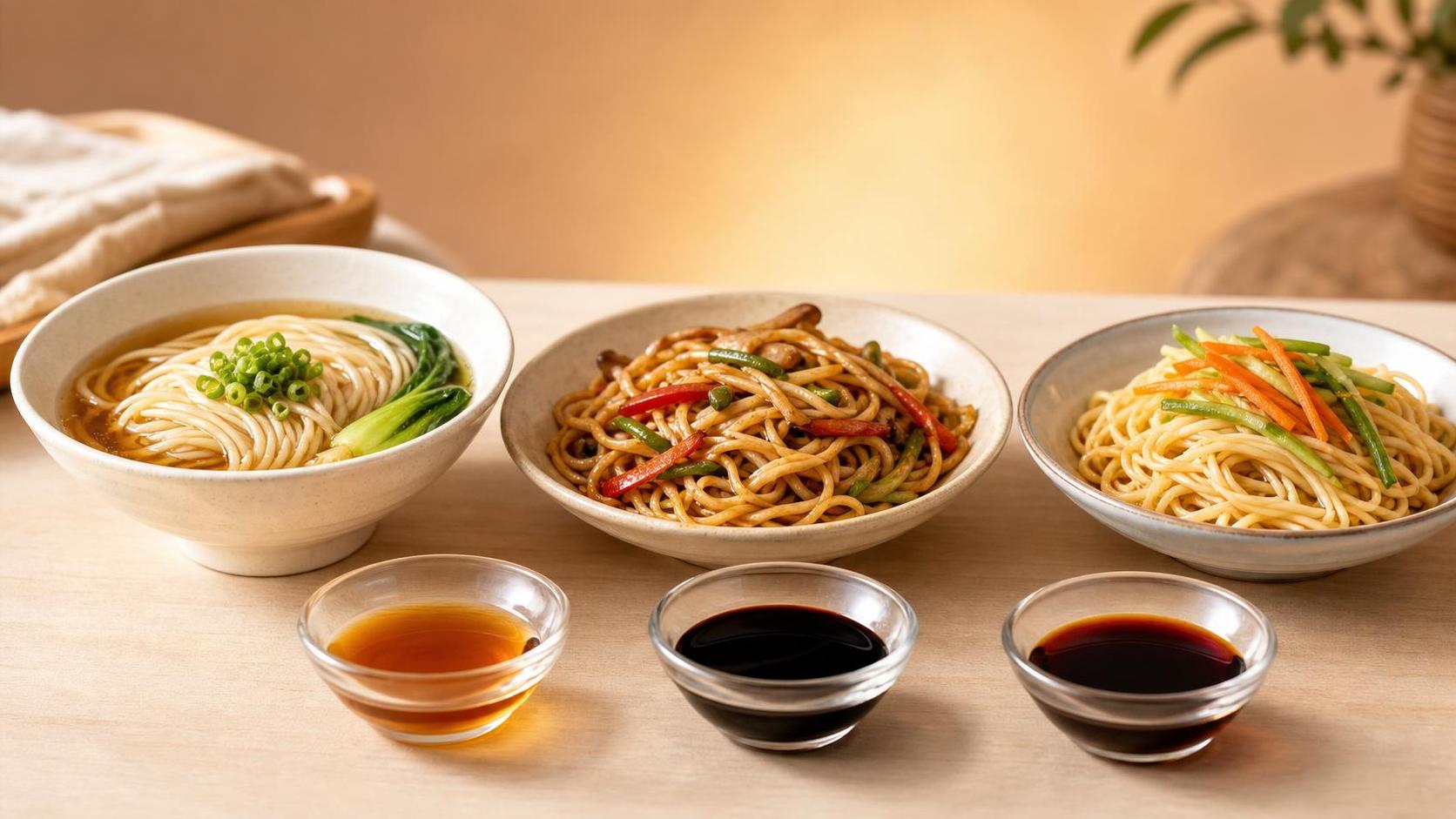
Choosing soy sauce for noodle dishes is not a minor detail. It shapes aroma, salt balance, sheen, and even how diners judge freshness before the first bite.
A bowl of soup noodles, a plate of stir-fried noodles, and a chilled sesame noodle all respond differently to seasoning. That is why understanding light, dark, and blended styles matters in daily food preparation.
Across the food industry, consistency is now as important as flavor. Long-standing quality traditions, product innovation, and more sustainable production standards are also shaping how sauces are selected and applied.
What the Three Styles Really Do
When choosing soy sauce for noodle dishes, the first step is to separate color from saltiness and fragrance. Many kitchen issues come from assuming these properties always move together.
Light soy sauce
Light soy sauce is usually thinner, salt-forward, and more aromatic. It lifts flavor without making noodles look heavy.
It works well in soup bases, quick stir-fries, and cold noodle dressings. It is often the main seasoning choice when clarity and brightness matter.
Dark soy sauce
Dark soy sauce is thicker and deeper in color. It is commonly used to build a richer appearance and a mild caramel note.
For soy sauce for noodle dishes, dark styles are valuable when noodles need a glossy brown finish. However, too much can flatten freshness and make texture seem heavier.
Blended styles
Blended styles combine the strengths of both. They simplify back-of-house work where speed, repeatability, and reduced adjustment time are priorities.
These blends are useful in operations serving several noodle formats from one line. They also help standardize output across shifts.
Why This Choice Matters More Now
Noodle dishes are judged quickly. Guests notice whether the broth tastes thin, whether fried noodles look pale, and whether cold noodles feel balanced or over-seasoned.
This makes soy sauce for noodle dishes a practical control point rather than a simple pantry item. It affects flavor identity, presentation standards, and waste rates.
There is also a wider business context. Food companies with deep manufacturing heritage are now expected to pair craftsmanship with innovation, global quality expectations, and greener production choices.
In that environment, sauce selection is linked to dependable sourcing, product development, and the ability to deliver better food experiences over time.
Matching Soy Sauce to Noodle Styles
The best soy sauce for noodle dishes depends on heat, moisture, and the role of surface color. A simple comparison makes the choice easier.
In practice, many kitchens do not use one bottle for every recipe. They keep a light soy sauce as the core option, then add dark soy sauce in measured amounts when appearance needs support.
Common Judgement Points in Daily Use
Selecting soy sauce for noodle dishes becomes easier when the evaluation is tied to visible and repeatable signs.
- Check whether noodles absorb sauce evenly or show patchy color.
- Taste salt impact after cooking, not only from the raw sauce.
- Watch how the sauce interacts with oil, stock, vinegar, or sesame paste.
- Observe whether the final dish still looks fresh after holding time.
- Measure portions carefully, because dark soy sauce changes visual results quickly.
Another useful habit is to compare sauces on the actual noodle type being served. Wheat noodles, alkaline noodles, and rice noodles do not carry seasoning in the same way.
Consistency, Scale, and Product Thinking
As production volume rises, seasoning decisions need stronger process control. This is true for sauces, and it is equally true for adjacent bakery or prepared-food lines.
For example, facilities that also handle bread products often value equipment with stable throughput and flexible forming capacity, such as Toaster.
Its TBM380 model supports pieces from 50g to 1200g, reaches up to 2000 pieces per hour, and fits bakery workflows that need both speed and shape versatility.
The link between this and soy sauce for noodle dishes is operational discipline. Better food results often come from matching ingredients and equipment to the real demands of each product line.
When Blended Styles Make the Most Sense
Blended soy sauce is often the most practical option when menus are broad and training time is limited. It reduces guesswork.
This does not mean blends are automatically better. It means they are useful where recipes need controlled flavor, moderate color, and fewer mid-service corrections.
For a focused menu, separate light and dark bottles may offer finer control. For mixed operations, a tested blend can protect consistency without slowing service.
A Practical Way to Decide
Start with the noodle category, then define the target finish. Ask whether the dish should taste bright, look deep and glossy, or stay somewhere in between.
Run side-by-side tests with small batches. Compare aroma, color, cling, and aftertaste after five to ten minutes of holding.
Document the ratio that performs best. That step matters more than personal preference when the goal is stable output.
Choosing soy sauce for noodle dishes is ultimately about fit. A suitable sauce should support flavor, visual appeal, and repeatability while aligning with a broader commitment to quality, innovation, and sustainable food development.
The next move is straightforward: review the noodle styles being served, test one light, one dark, and one blended option, then build a standard around the result that performs best in real service.
Tag
Related Products


Leave A Message
If you are interested in our products and want to know more details, please leave a message here, we will reply you as soon as we can.


