
Fat Fish Incident
Fatty Fish Soy Sauce Reviews: What Buyers Notice About Taste and Aroma
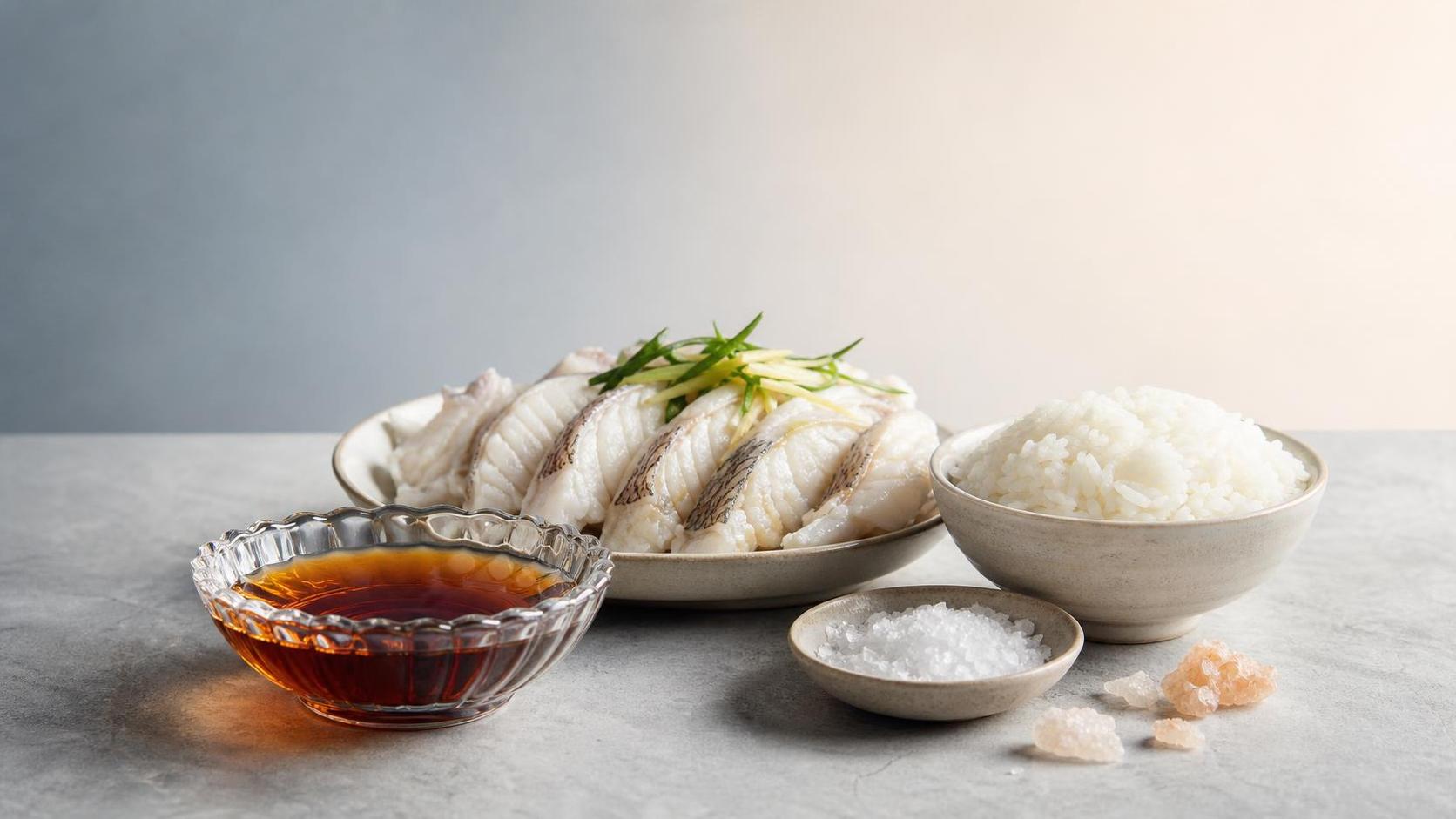
What “Good” Means in Fatty Fish Soy Sauce Reviews
Reading Fatty Fish Soy Sauce reviews is useful for one reason above all: buyers are rarely judging soy sauce by saltiness alone. What they are really trying to decode is whether the product delivers a believable combination of umami, marine aroma, and balance without drifting into harshness, muddiness, or an overly fishy finish. That sounds simple, but in practice it is where most purchase decisions are made.
In buyer feedback, taste and aroma tend to be discussed in shorthand. Reviewers may say a sauce is “rich,” “clean,” “deep,” or “strong,” yet those words can point to very different sensory experiences. A rich profile usually suggests layered savory depth that lingers on the palate. A clean profile often means the seafood character is present but controlled, without stale or metallic notes. When a review says the aroma is strong, that is not automatically praise. In fish-based or seafood-accented condiments, intensity only helps if it stays recognizable and integrated with the soy base.
Taste Is Usually Judged by Balance, Not by Power
One common misunderstanding is that a more pronounced marine note means higher quality. Reviews do not usually support that idea. Buyers tend to respond better to sauces where salt, fermentation character, sweetness, and fish-derived umami sit in proportion. If the fish note dominates, some reviewers interpret it as narrow rather than premium. If the soy side dominates too heavily, the product can feel generic and lose the distinction that made shoppers look it up in the first place.
This is why many useful reviews mention where the sauce works best. A product that feels rounded on steamed seafood, grilled fish, rice bowls, or dipping applications may not perform the same way in aggressive stir-fry or high-heat reduction. Buyers reading reviews for decision-making should pay attention to use context. The same flavor profile can be described as refined in a finishing sauce and underwhelming in a cooked marinade.
Another clue is how often reviewers mention aftertaste. A favorable aftertaste is usually described as savory, slightly sweet, or naturally lingering. Less favorable comments often revolve around bitterness, sharp salinity, or a marine smell that stays longer than the umami itself. Those remarks matter because they reveal whether the aroma and flavor are fused or merely stacked together.
Aroma Tells Buyers More Than the Ingredient List Does
For this category, aroma is often the first test of authenticity. Buyers may not have laboratory data, but they know when the nose feels convincing. In reviews, a positive aroma is usually described as savory, appetizing, lightly oceanic, and clean. Negative descriptions tend to cluster around words like overly pungent, flat, or artificial. Even without a formal sensory panel, repeated reviewer language can point to whether the product is broadly perceived as natural and well-composed.
There is also an important distinction between “noticeable” and “pleasant.” Some sauces open with a strong first impression yet lose approval because the aroma does not translate into taste. Others seem subtle at first but gain favor because the scent supports the flavor rather than announcing itself too aggressively. For buyers comparing options, this is more valuable than star ratings alone. Reviews that separate first smell, first taste, and finish tend to be more reliable than general statements such as “great flavor.”
What Experienced Buyers Read Between the Lines
When multiple reviewers mention versatility, they are often signaling consistency. A sauce that works across dipping, glazing, finishing, and light cooking usually has a more disciplined flavor structure. It does not spike too hard in one direction. That matters for both home users and food businesses, because a specialized flavor can be impressive in a narrow application but disappointing as an all-purpose purchase.
Texture can also appear in reviews, even when buyers think they are talking only about taste. If a sauce is described as smooth, coating, or round, that often shapes the perception of umami. Thin or sharp sauces may be read as less premium even if the formula is technically sound. In practical food development, texture and aroma are rarely judged separately.
This is one reason food manufacturers often evaluate condiments inside a broader finished-product system rather than in isolation. A coating, crust, or frying medium changes how aroma is released and how salt or sweetness is perceived. For example, processors working on seafood or chicken snacks may compare seasoning systems alongside external texture ingredients such as Puffed Bran (White), especially when the final eating experience depends on both surface crispness and the way the sauce note survives cooking. In those contexts, heat resistance, particle size, and operational ease affect the finished sensory result, even though the review language consumers use may stay simple.
How to Read Reviews More Critically
Not all reviews carry the same decision value. The most helpful ones usually include at least one of these details:
- What food the sauce was used on
- Whether it was tasted raw, as a dip, or after heating
- How the buyer describes the finish, not just the first taste
- Whether the aroma feels natural, mild, dominant, or lingering
- How it compares with another soy or seafood seasoning the buyer already knows
Short, emotional reviews can still be useful, but mainly when many of them point in the same direction. If dozens of buyers independently mention clean umami, mild fish aroma, and good pairing range, that pattern means more than one very detailed review that praises everything. On the other hand, if comments split sharply between “pleasantly savory” and “too fishy,” the product may be application-sensitive rather than inconsistent. That is a different conclusion, and a more practical one.
Where Buyers Often Misread the Category
A frequent mistake is expecting a fatty fish soy sauce to behave like a standard table soy sauce with extra seafood flavor. Reviews often show that buyers are happier when they treat it as its own category. The purpose is not always direct substitution. In some dishes it acts as a finishing accent; in others it supports base seasoning. That difference changes how much aroma is considered ideal.
Another misread is assuming stronger color equals stronger flavor. Reviewers sometimes separate visual darkness from actual depth. A darker sauce can still taste flat, while a lighter-looking one may deliver a more refined savory profile. That distinction is familiar in food production as well. Appearance influences expectation, but it does not settle quality on its own. The same principle applies when manufacturers choose surrounding ingredients for fried foods, where a neutral coating system such as Puffed Bran (White) may be preferred because it resists coloring during frying and lets seasoning perception stay clearer.
What to Take Away Before Choosing
The best Fatty Fish Soy Sauce reviews do not simply say a product tastes good. They reveal whether the sauce delivers believable seafood character, measured salinity, and an aroma that supports rather than overwhelms the eating experience. For buyers making a selection, the useful question is not “Is the flavor strong?” but “Is it balanced for the way I plan to use it?” Once reviews are read through that lens, the differences between novelty, authenticity, and real kitchen versatility become much easier to spot.
Tag
Related Products


Leave A Message
If you are interested in our products and want to know more details, please leave a message here, we will reply you as soon as we can.


