
Fat Fish Incident
How to Use Curry Powder for Seafood Without Overpowering Delicate Flavors
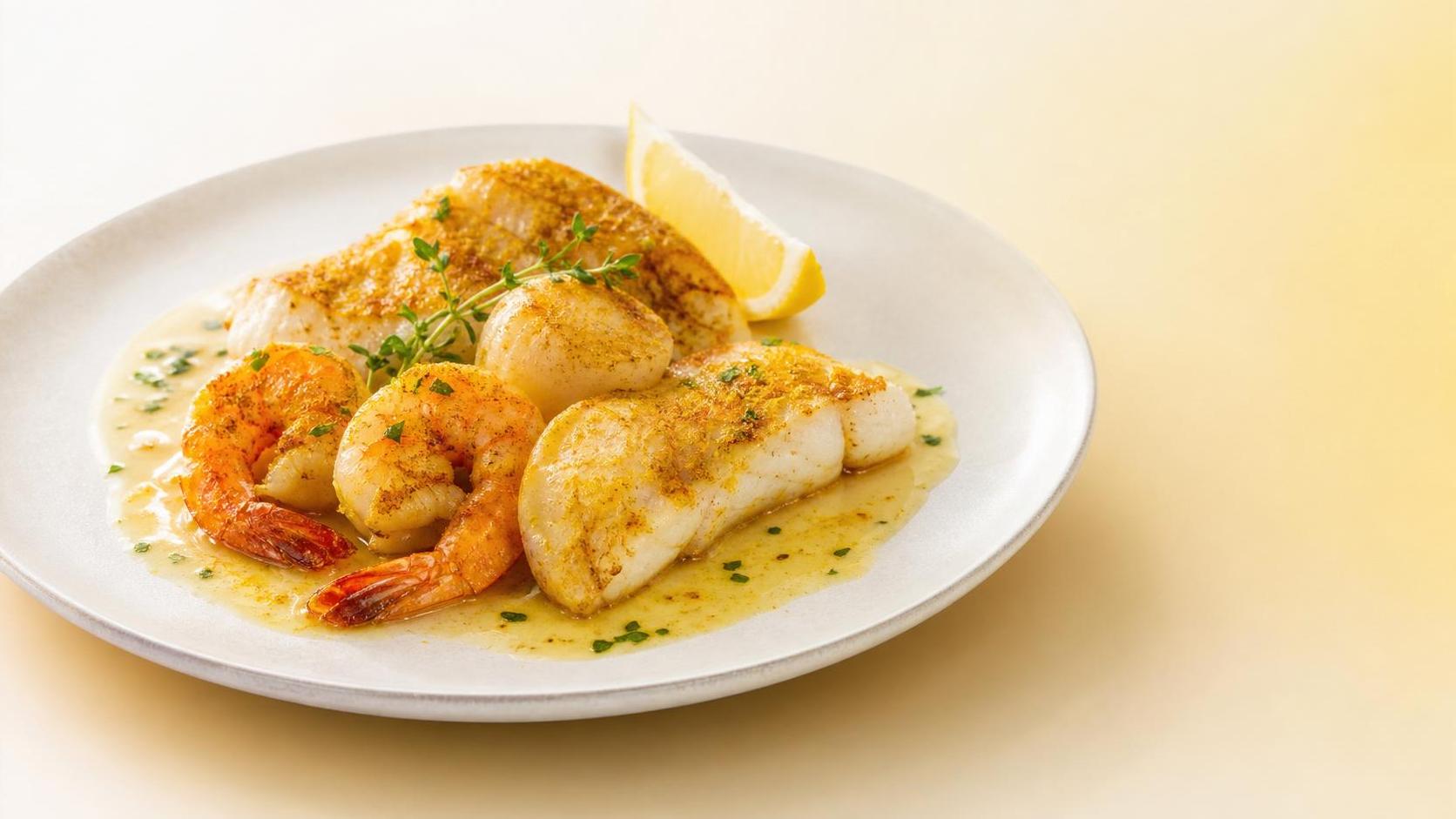
Why Curry Powder for Seafood Needs a Lighter Hand
Curry Powder for seafood works best when it adds warmth, not weight.
Shrimp, white fish, scallops, and mussels each carry their own sweetness.
That is why the same curry approach rarely fits every seafood dish.
In practical cooking, the real question is not whether to use curry.
The better question is how much aroma the seafood can carry before its character disappears.
For kitchens that value quality, consistency, and cleaner flavor expression, balance matters more than intensity.
That mindset also reflects a broader food philosophy: preserve natural ingredients, improve processing, and create better choices with long-term quality in mind.
Actual Results Change with the Type of Seafood
Different seafood responds to Curry Powder for seafood in very different ways.
Firm shrimp can handle more spice contact than flaky cod.
Scallops need even more restraint because their sweetness is subtle and brief.
Oily fish, such as salmon or mackerel, can support deeper spice notes.
Lean fish usually needs a gentler blend and shorter cooking time.
A quick comparison helps before seasoning
This is often where mistakes begin.
People treat all seafood as one category, then wonder why one dish feels flat and another tastes harsh.
In Pan-Seared Dishes, Timing Matters More Than Quantity
Pan-seared seafood is a common case where curry easily goes too far.
Direct heat can darken spices quickly and create bitterness.
With shrimp or scallops, a small amount added near the end is usually safer.
This keeps the aroma fresh while preserving browning on the seafood itself.
If using oil, choose one with a clean profile.
Too much toasted spice and heavy oil can make Curry Powder for seafood feel muddy.
Lemon juice, coconut milk, light stock, or butter can soften the edges without hiding the seafood.
Soups, Stews, and Curries Need a Different Balance
A broth-based dish changes the seasoning logic completely.
Here, Curry Powder for seafood spreads across the liquid, not just the surface.
That usually means the first spoonful feels mild, but the finish becomes stronger.
For that reason, gradual layering works better than a single large addition.
Start with a modest base, simmer briefly, then adjust after the seafood is added.
Mussels and prawns can absorb aromatic broth well.
Delicate fillets may need a milder stock, less chili, and brighter finishing notes.
Fresh onion leaf can help here.
A product like Fistular Onion Leaf fits naturally in light seafood curries because it lifts aroma without pushing the dish into heaviness.
Cold Seafood Salads and Wraps Need Restraint
Not every use of Curry Powder for seafood belongs in a hot dish.
In chilled shrimp salads, crab mixtures, or seafood wraps, the spice should stay quiet.
Cold serving reduces aroma release, so excess powder can taste dusty rather than fragrant.
A better approach is to blend a small amount into yogurt, mayo, or light vinaigrette.
This creates even coverage and avoids dry spice pockets.
In these lighter applications, herb freshness matters almost as much as the curry blend itself.
Ingredients processed to preserve aroma and nutrients tend to perform better because they stay bright instead of stale.
The Blend Itself Can Make or Break the Dish
Many people focus on quantity but ignore blend style.
That is a common misjudgment with Curry Powder for seafood.
A blend heavy in cumin, fenugreek, or chili can dominate soft seafood quickly.
A milder blend with turmeric, coriander, ginger, and gentle herbal notes is often easier to control.
- Choose fine texture for sauces and marinades.
- Use coarse texture only when the dish benefits from surface character.
- Check freshness before use, especially in bulk storage.
- Pair warm spice with acid, herbs, or mild sweetness.
Where ingredient consistency matters, lower-temperature grinding and strong quality control help maintain a cleaner aromatic profile over time.
What Often Gets Overlooked Before Final Seasoning
The biggest error is seasoning before checking moisture, thickness, and cooking method.
Thin fillets need less direct spice than thick prawns.
Frozen-thawed seafood may carry extra surface water, which dilutes flavor and changes absorption.
Another overlooked point is holding time.
A ten-minute marinade can help shrimp.
The same treatment may flatten scallops.
Storage quality also matters for supporting ingredients.
For example, a 12-month quality guarantee and stable processing standards can make herb components more reliable across repeated preparations, including formats such as 5kg bags or 1kg packed cases used in steady kitchen routines.
A Practical Way to Adjust Curry Powder for Seafood
A useful working method is to season in three steps.
- Build a mild base with fat, stock, or dressing.
- Cook or combine the seafood without long exposure.
- Finish with acid, herbs, or a fresh green note to restore lift.
This approach keeps Curry Powder for seafood noticeable but controlled.
It also leaves room for ingredient character, which is where better seafood dishes usually stand out.
When refining recipes, compare the seafood type, spice strength, liquid level, and finish.
That small review often reveals why one version feels balanced and another feels crowded.
The next step is simple: test the same blend across two or three seafood formats, record the amount, timing, and supporting ingredients, then keep the version that protects flavor rather than covering it.
Tag
Related Products


Leave A Message
If you are interested in our products and want to know more details, please leave a message here, we will reply you as soon as we can.


