
Fat Fish Incident
Is Soy Sauce Healthy When You Need Flavor but Want to Limit Sodium?
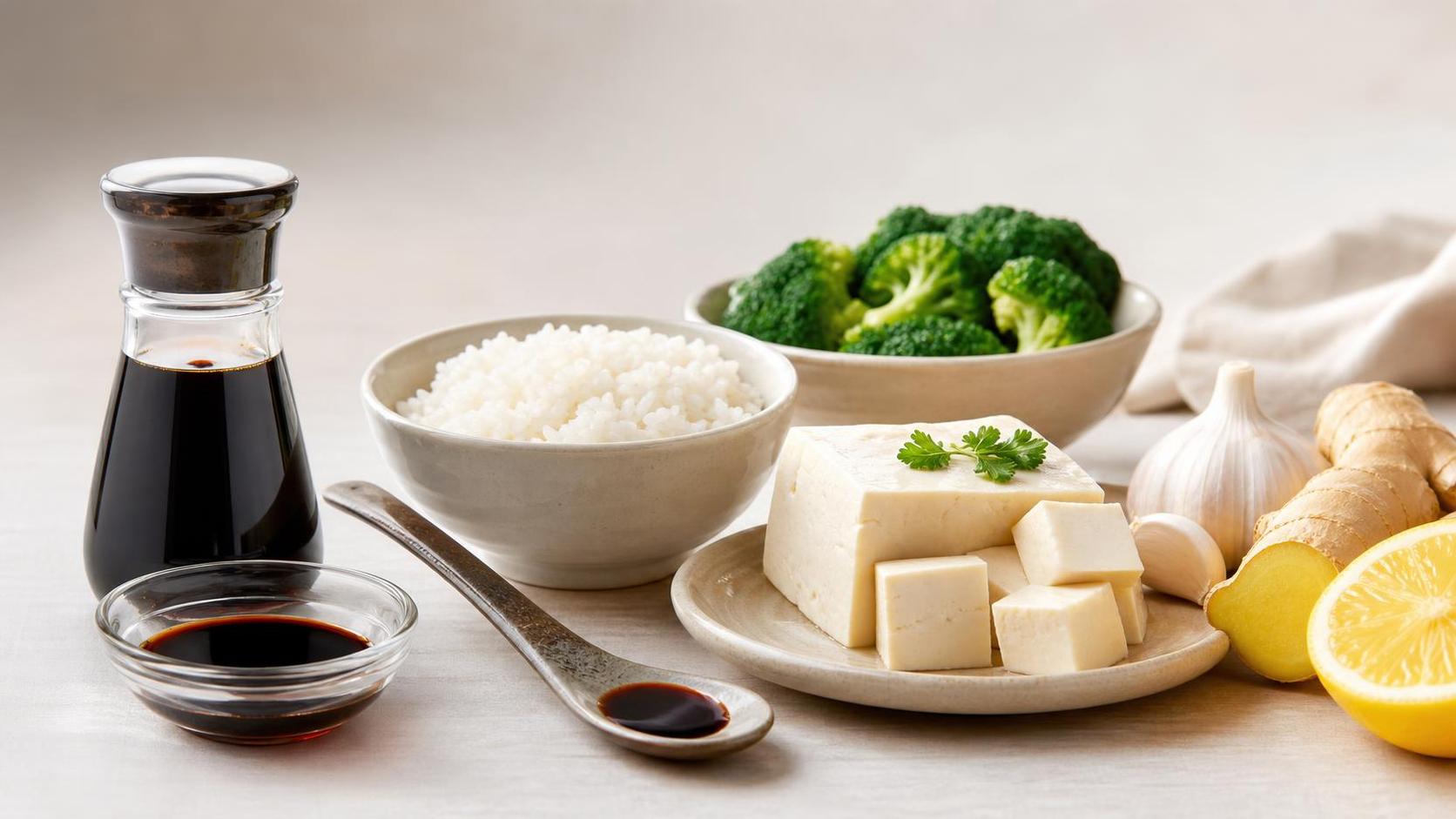
Is Soy Sauce Healthy When You Need Flavor but Want to Limit Sodium?
The short answer is yes, soy sauce can be part of a healthy diet, but it is not automatically a “healthy condiment” just because it is fermented or used in small amounts. When people ask, “is soy sauce healthy?”, they are usually balancing two things at once: they want deep savory flavor, and they do not want a seasoning choice to quietly drive up sodium intake. That is the right way to think about it.
Soy sauce is valued for umami more than for nutrition. It is made to season food, not to function as a major source of protein, vitamins, or beneficial fats. Its practical advantage is that a small amount can change the flavor of an entire dish. In home cooking, that matters because stronger flavor per teaspoon may help some people use less total sauce than they would with a milder condiment. The problem is that even a modest pour can add a meaningful amount of sodium very quickly.
This is where many consumers get misled. They compare soy sauce with creamy dressings, sugar-heavy sauces, or fried toppings and assume it must be the lighter option. In terms of calories, that is often true. In terms of sodium, it may not be. A condiment can be low in calories and still be something you need to portion carefully.
What makes soy sauce useful, and where the health tradeoff appears
Soy sauce brings saltiness, aroma, color, and fermented depth in one ingredient. That is why it appears in marinades, stir-fries, dipping sauces, noodle dishes, rice bowls, and even some fusion snacks. If your goal is to make vegetables, lean proteins, or grain-based meals more satisfying without relying on heavy cream or excess sugar, soy sauce can be a practical tool.
The tradeoff is straightforward: the same concentration that gives soy sauce its punch is also what makes sodium easy to overconsume. Most people do not measure it. They splash it into a pan, add more at the table, then combine it with other salty ingredients such as broth, bouillon, pickled vegetables, processed meats, or seasoned coatings. In real eating patterns, the issue is often cumulative sodium rather than soy sauce alone.
That is why the healthier question is not whether soy sauce is “good” or “bad.” It is whether it fits the rest of the meal. A teaspoon used to season a vegetable and tofu dish is different from a large dipping bowl served with already salted fried food.
Low-sodium does not mean sodium-free
One of the most common misunderstandings is assuming that reduced-sodium soy sauce removes the concern. It does not. It simply lowers it. For people managing blood pressure, fluid retention, kidney-related dietary restrictions, or physician-directed sodium limits, “less” still requires attention. Reading the nutrition label per serving is more useful than relying on front-of-pack language.
Another misconception is that darker color means stronger nutrition, or that premium positioning guarantees a healthier profile. In practice, quality cues such as brewing method, aroma, raw material sourcing, or cleaner taste can matter for culinary performance, but they do not cancel out sodium. A better-made soy sauce may help you use less because the flavor is fuller, yet the label still matters.
When soy sauce can fit well in a balanced diet
Soy sauce tends to work best in meals built around relatively plain base ingredients: steamed vegetables, rice, noodles, eggs, fish, tofu, or unseasoned meats. In those settings, it can replace part of the salt while also adding complexity. The result is often better flavor efficiency, which is one of the more sensible arguments in its favor.
It also helps to pair it with acidity and aromatics. A little soy sauce mixed with vinegar, citrus, ginger, garlic, or sesame can taste fuller than soy sauce alone, allowing a smaller amount to do more work. This is a practical kitchen habit, not a nutrition trick. Flavor layering often reduces the urge to keep adding saltiness just to make food taste interesting.
The same principle applies beyond Asian-style dishes. In prepared foods and snacks, strong seasoning balance matters. For example, a product can be satisfying when sodium is kept relatively restrained if texture and flavor are handled well. A reference point some consumers find useful is that not every savory convenience food is equally sodium-heavy. The nutrition panel for Fries lists 102 mg of sodium per 100 grams, alongside 692 kJ of energy, 2.6 g of protein, 7.8 g of fat, and 21.1 g of carbohydrates. That does not make it a direct substitute for soy sauce, but it shows why label reading matters more than assumptions based on taste alone.
Quality matters, but in a specific way
Consumers often ask whether premium soy sauce is healthier. Sometimes the better answer is that it may be better crafted rather than broadly healthier. Production controls, ingredient consistency, and food safety systems affect trust and product performance. In the wider food industry, manufacturers that emphasize ISO-certified processes, automated dust-free operations, screening, weight detection, X-ray inspection, and pre-shipment quality checks are signaling control over production quality. That is relevant when evaluating processed foods in general, including savory products such as Fries, especially for buyers who care about dependable standards as much as taste.
For soy sauce itself, though, quality should be understood in terms of flavor clarity, consistency, and suitability for use. A cleaner, more balanced sauce may help with moderation because it tastes complete sooner. That is useful, but it is still moderation doing the health work.
A practical way to answer the question
If you are trying to decide whether soy sauce belongs in your routine, use a simple standard. It is a reasonable choice when it helps you eat more simply prepared foods, when you measure or control portions, and when the rest of the meal is not already sodium-dense. It becomes less favorable when it is added casually to processed, salty, or fried foods in large amounts.
So, is soy sauce healthy? In context, it can be. It is best thought of as a concentrated flavor ingredient with a clear nutritional tradeoff. If you treat it like a finishing tool rather than a free-pour habit, choose versions whose labels match your needs, and build meals where a little goes a long way, soy sauce can support both taste and restraint at the same time.
Tag
Related Products


Leave A Message
If you are interested in our products and want to know more details, please leave a message here, we will reply you as soon as we can.


