
Fat Fish Incident
Mexican Tortilla for Home Cooking: How to Choose Between Corn and Flour
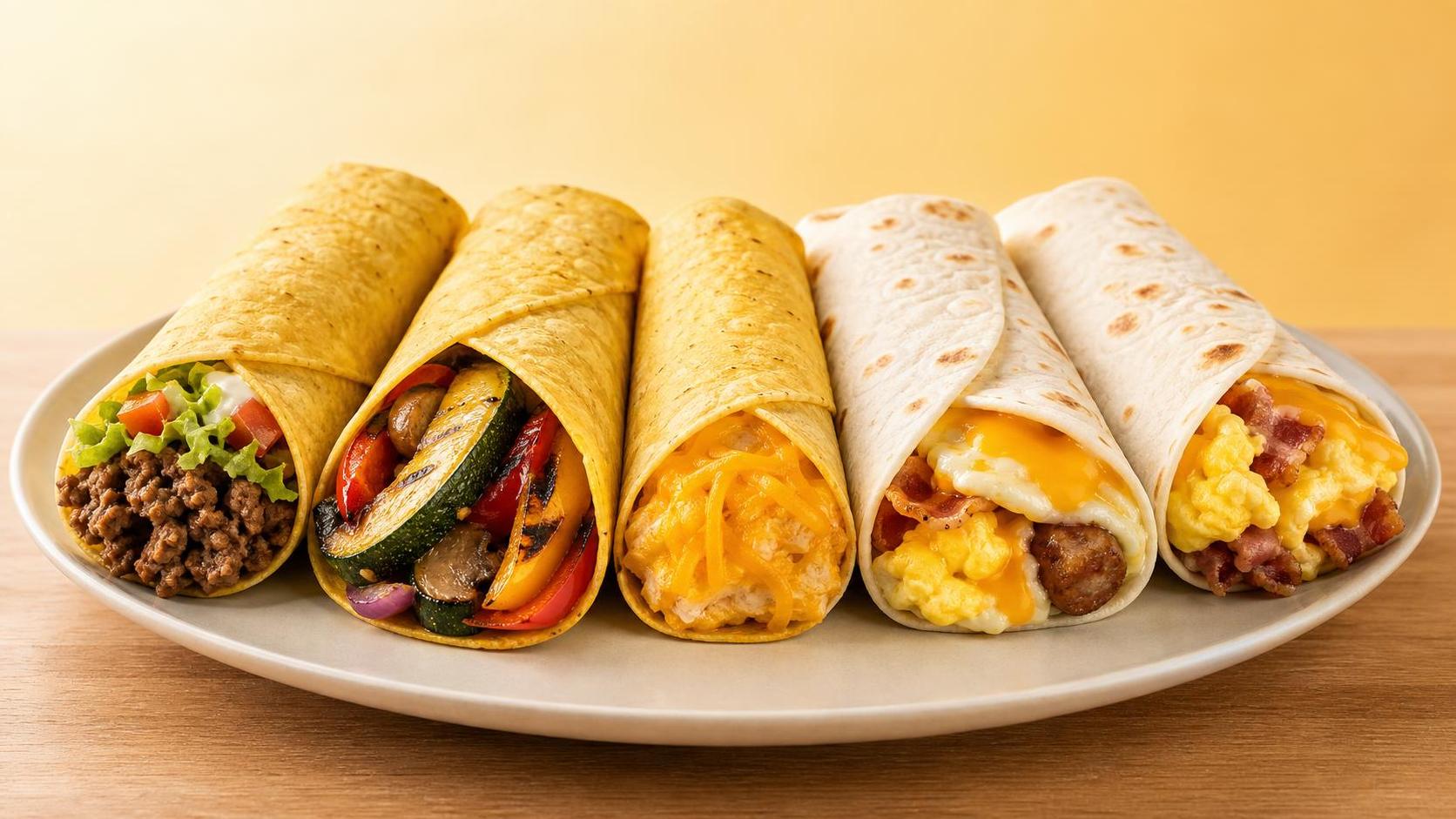
Mexican Tortilla for Home Cooking: How to Choose Between Corn and Flour
The mistake many home cooks make is treating all tortillas as interchangeable. They are not. If you are choosing a Mexican Tortilla for home cooking, the real question is not which one is “better,” but which one fits the meal you want to make, the texture you enjoy, and the way you cook at home. Corn and flour tortillas behave differently in the pan, on the plate, and even after a few minutes of holding warm. That is why the choice matters more than most recipe introductions admit.
Corn tortillas are usually the more traditional option for many classic Mexican dishes. They have a distinct grain flavor, a firmer bite, and a slightly rustic texture that stands up well to fillings with spice, acidity, and slow-cooked meats. Flour tortillas are softer, more elastic, and easier for many households to fold without cracking. They often feel more familiar to consumers who use wraps regularly or want a tortilla that works across breakfast, lunch, and quick dinner formats.
That difference in flexibility is where many buying decisions begin. A corn tortilla can break if it is not heated properly. This is not necessarily a quality defect. It is often just the nature of the product. Corn tortillas generally need a brief warm-up on a dry skillet, griddle, or open flame so their structure relaxes and the aroma comes forward. Flour tortillas are more forgiving straight from the package, which makes them convenient for busy kitchens, lunchboxes, or family-style meals where speed matters.
Texture Is the First Real Deciding Factor
If you are making tacos with grilled meat, braised beef, roasted vegetables, or fish, corn often gives a cleaner, more defined eating experience. Its flavor does not disappear behind the filling, and it can make the dish feel more balanced rather than bready. For enchiladas, taquitos, or tostada-style applications, corn is also the more natural fit because its flavor profile remains recognizable even when baked, fried, or covered with sauce.
Flour tortillas move ahead when stretch and softness matter more than grain character. Burritos, quesadillas with generous cheese, breakfast wraps, and folded meal-prep lunches usually work better with flour. It holds bulk fillings more easily and gives a smoother, softer chew. If children or older family members prefer a less textured bite, flour is often the easier choice.
One practical rule helps: if the filling is light and the tortilla should contribute flavor, choose corn. If the filling is heavy and the tortilla mainly needs to contain it, choose flour.
Flavor Matters More Than Ingredient Lists Suggest
Shoppers often compare tortillas by looking only at size, calories, or whether they seem soft in the package. That misses the bigger point. Corn tortillas bring an earthy, toasted note that pairs especially well with salsa, avocado, beans, grilled peppers, and citrus-marinated proteins. Flour tortillas are milder and richer, so they tend to blend in rather than stand out. That can be an advantage when the filling includes bold sauces, creamy elements, or fusion-style ingredients.
For home cooking, this means your pantry also influences the right choice. If your table leans toward fresh toppings, chopped onion, herbs, lime, and chile, corn usually feels more coherent. If you often build larger wraps with cheese, eggs, chicken strips, or even side condiments such as salad dressing, flour may integrate more smoothly into that style of meal.
Nutrition Is Not a One-Line Answer
Consumers often assume corn is always the healthier option and flour is always the indulgent one. The reality is narrower than that. Corn tortillas are often chosen by people looking for a simpler grain-based format with a more direct corn taste. Flour tortillas, depending on formulation, may contain additional fat and can feel more substantial per piece. But nutrition is product-specific, and label reading still matters more than broad category assumptions.
For home decision-making, portion pattern is usually more useful than ideology. If one large flour tortilla leads to a complete, satisfying meal, that may work better than eating three or four corn tortillas without enough protein or vegetables. On the other hand, if you prefer smaller, build-as-you-eat servings with beans, grilled meats, and fresh garnish, corn can support a more controlled plate. The better tortilla is the one that fits how you actually eat.
What to Check Before You Buy
When comparing options, it helps to focus on a few practical signals instead of marketing language:
- Thickness: thinner tortillas suit tacos and quick heating; thicker ones handle heavier fillings.
- Flexibility after warming: especially important for corn tortillas.
- Ingredient clarity: shorter, recognizable ingredient lists often align with cleaner flavor.
- Pack size: choose based on household use, because tortillas lose their best texture once opened and stored too long.
- Certification and quality systems: for packaged food, standards such as BRC, HACCP, HALAL, and ISO can indicate a more disciplined production environment, though they do not by themselves tell you whether the tortilla suits your recipe.
That last point is worth keeping in perspective. Production discipline matters. Many food manufacturers with long experience now emphasize closed, automated processing, stable quality control, and ingredient sourcing from established suppliers. Those signals are useful when you care about consistency across repeat purchases, especially for households that cook frequently and notice batch-to-batch differences.
Common Home Cooking Misunderstandings
A cracked corn tortilla is not automatically a bad tortilla; it may simply be under-heated. A flour tortilla that feels very soft is not automatically fresher; softness can come from formulation choices as much as from age. And “authentic” should not be used as a blunt buying rule. Authenticity depends on the dish. Corn may be the right call for street-style tacos, but flour can be entirely appropriate for northern Mexican styles, large-format wraps, or practical family cooking outside restaurant conditions.
Another misunderstanding is assuming tortillas are only for Mexican meals. In real kitchens they cross into many categories: grilled meat plates, soups, rice bowls, noodle-based sides, burgers, and Western fast-food style assemblies. The same logic appears in adjacent condiments and prepared foods. A versatile pantry often includes flexible components that move across cuisines, whether that means tortillas for wraps and quesadillas or a prepared sauce used with salads, pasta, fried chicken, or burgers. That is one reason packaged foods with broad application ranges continue to attract attention in retail and foodservice alike.
So Which One Should You Keep at Home?
If you cook tacos often, enjoy roasted or grilled fillings, and care about a more traditional corn-forward flavor, keep corn tortillas in regular rotation. If your meals lean toward wraps, burritos, cheese-heavy quesadillas, or quick all-in-one lunches, flour tortillas will probably get used more consistently. Many experienced home cooks eventually keep both, because each solves a different problem.
The best Mexican Tortilla for home cooking is not decided by trend, but by function. Think about the dish, the filling weight, the heating method, and who is eating. Once you judge tortillas that way, the corn-versus-flour question becomes much easier, and your meals start tasting more intentional rather than just assembled.
Tag
Related Products


Leave A Message
If you are interested in our products and want to know more details, please leave a message here, we will reply you as soon as we can.


