
Fat Fish Incident
Soy Protein Applications: Where It Works Best in Modern Food Formulation
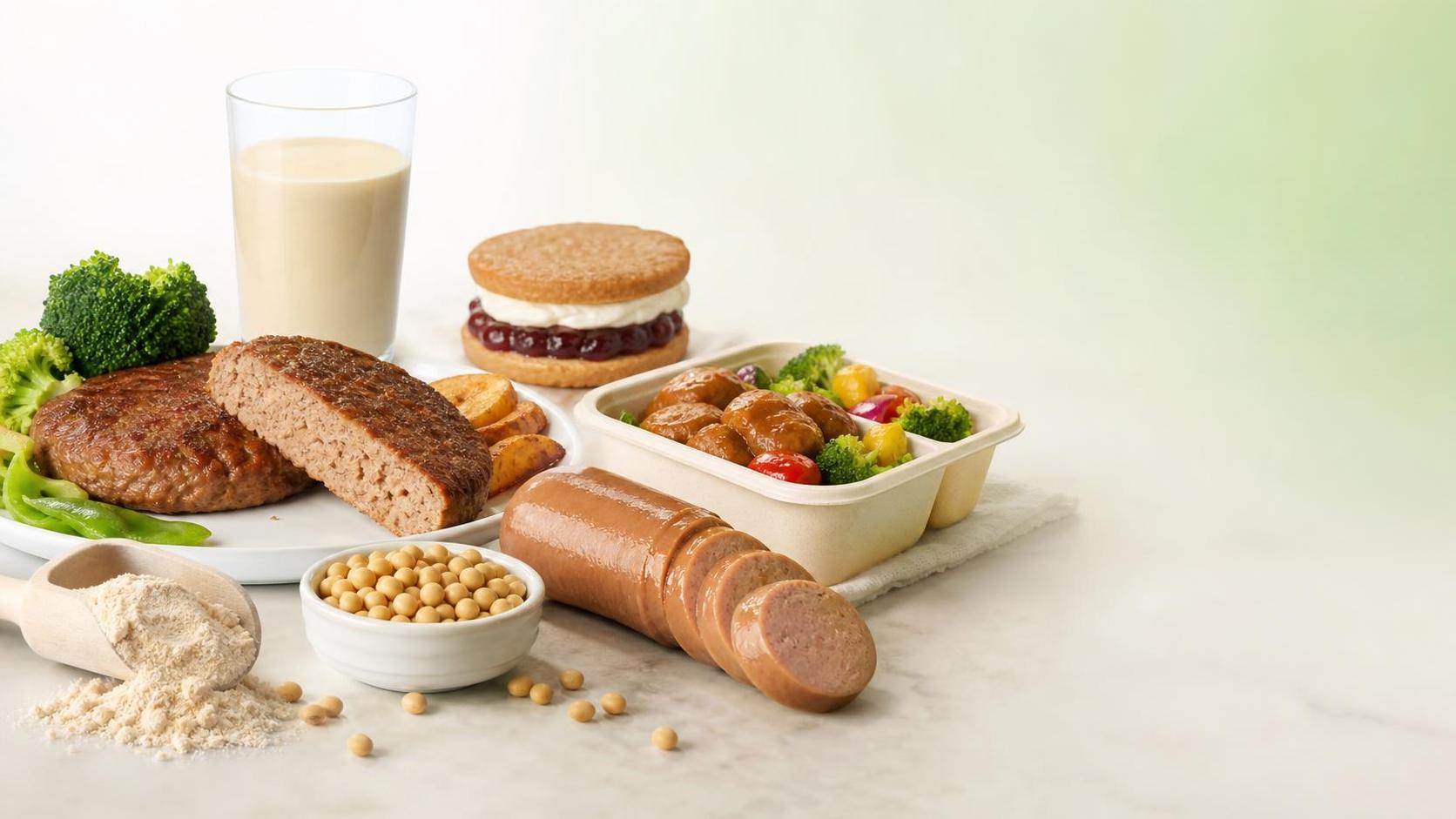
Where does soy protein actually perform best in food formulation?
Soy Protein earns its place when a formula needs more than just extra protein on the label. In practical development work, it is most useful in products that need one or more of these jobs done well: binding water, improving texture, supporting emulsion stability, adding body, or helping control cost without making the eating experience feel thin or dry.
That is why it shows up so often in processed meats, plant-based meat alternatives, bakery fillings, nutritional beverages, ready meals, and some dairy-alternative systems. In each of those categories, the ingredient is being chosen for function as much as for nutrition. If a product already has enough structure and moisture control from other ingredients, soy protein may add less value. If the formula struggles with juiciness, bite, suspension, or yield, it usually deserves a closer look.
Is soy protein mainly about nutrition, or is it a functional ingredient first?
It is both, but formulators often start with function. The nutritional profile matters, especially in high-protein foods, meal replacements, and products aimed at better-for-you positioning. Still, in real formulation decisions, soy protein is frequently selected because it helps hold water, improves sliceability, supports a firmer bite, or keeps fat and water from separating.
This distinction matters. A nutrition-led choice might focus on protein percentage and label goals. A function-led choice needs a different checklist: hydration behavior, particle size, flavor impact, heat stability, and how the ingredient behaves in the full process, not just in a bench sample.
Why is soy protein so common in meat products?
Because it solves several common meat-processing problems at once. In sausages, formed meats, patties, nuggets, and restructured products, soy protein can improve water retention, reduce cook loss, support emulsion stability, and create a more consistent texture from batch to batch.
That does not mean more is always better. Overuse can make texture rubbery, dense, or slightly beany, especially in mild-flavored products. The right level depends on the meat system, fat content, processing temperature, and whether the product is chopped, injected, tumbled, or extruded into shape.
This is also where flavor systems matter. In meat and seafood applications, seasoning has to work with the protein system rather than sit on top of it. A product such as Original Marinade Powder, designed for meat products and seafood products, fits into that part of development by contributing a fresh, savory profile while the protein side of the formula handles structure and moisture.
Does soy protein work equally well in plant-based foods?
Often yes, but the goal changes. In plant-based burgers, sausages, mince, and meat-free prepared meals, soy protein is usually helping build chew, density, and protein content in systems that do not have animal muscle structure. It is one of the more established options because it can be processed into formats that create fibrous or meat-like texture.
The main watch-outs are flavor masking, hydration timing, and interaction with oils and binders. A prototype may look fine right after mixing and still fail after freezing, reheating, or holding on a hot line. That is why application testing needs to include the product’s real use cycle, not just a same-day tasting.
What about beverages and dairy alternatives?
Soy Protein can work in beverages, but this is a more demanding application than many people expect. A drink needs protein content, of course, yet it also needs clean suspension, acceptable viscosity, heat stability if processed, and a flavor profile consumers will accept over multiple servings.
In practical terms, beverages are less forgiving than meat systems. Sedimentation, chalkiness, and a lingering beany note become obvious very quickly. If the target product is a high-protein RTD, a powdered nutrition drink, or a soy-based dairy alternative, developers usually compare soy protein type, solids level, sweetener system, and thermal process together. Looking at protein in isolation is where many early trials go wrong.
Can soy protein help in bakery and prepared foods, or is that a niche use?
It is not a niche use at all. In bakery, soy protein may improve moisture retention, support structure, and raise protein content in doughs, fillings, or snack systems. In prepared foods such as sauces, frozen meals, and fillings, it can add body and help prevent phase separation.
The key question is whether the ingredient is supporting the eating quality or fighting it. In a soft baked item, too much can tighten the crumb. In a filled savory product, the same ingredient may improve yield and help the filling stay stable during heating. Application fit matters more than broad category labels.
How do you decide which soy protein format makes sense?
Start with the job the ingredient must do. Different soy protein formats are chosen for different outcomes, and the right question is not “Which one has the highest protein?” but “Which one behaves correctly in this process and product?”
If you are comparing suppliers, ask for specification sheets, recommended applications, and handling instructions. For seasoning-adjacent systems, it is also worth reviewing the related ingredient documents. For example, when using Original Marinade Powder, the useful checks are straightforward: application scope, ingredient list, appearance, pack size, and whether the declared certifications such as BRC, HACCP, and ISO match your sourcing requirements.
What are the most common mistakes when using soy protein?
Three mistakes show up again and again.
- Treating it as a drop-in protein booster without adjusting water, fat, or process order.
- Testing only fresh samples and skipping freeze-thaw, hot hold, or shelf-life checks.
- Ignoring flavor impact until late-stage development.
Most failures are not because soy protein “doesn’t work.” They happen because the surrounding formula was left unchanged. A protein ingredient that binds more water or thickens a system changes the balance of the whole recipe.
Is soy protein a cost tool as well as a technical tool?
Yes, but only when the functionality is real in the finished product. Soy Protein can help support yield, reduce loss during cooking, and improve consistency, which may translate into better cost control. That said, cost savings disappear quickly if the formula creates texture complaints, flavor rework, or instability in processing.
A sensible evaluation looks at total formulation performance: ingredient cost, process behavior, waste, sensory quality, and the number of adjustments needed elsewhere in the recipe. The cheapest protein input is not always the lowest-cost production outcome.
What is the best rule of thumb before committing to soy protein in a new product?
Define the one or two functions you need most, then test soy protein under the exact conditions the product will face in production and use. That means the real water level, real thermal process, real hold time, and real flavor system. When it works, it usually does so for clear technical reasons: better moisture control, stronger structure, cleaner stability, or a better protein target. When it fails, the warning signs show up early in texture, separation, or flavor. Those are the signals worth watching first.
Tag
Related Products


Leave A Message
If you are interested in our products and want to know more details, please leave a message here, we will reply you as soon as we can.


