
Fat Fish Incident
Soy Sauce vs Tamari: Which Is Better for Gluten-Free Cooking?
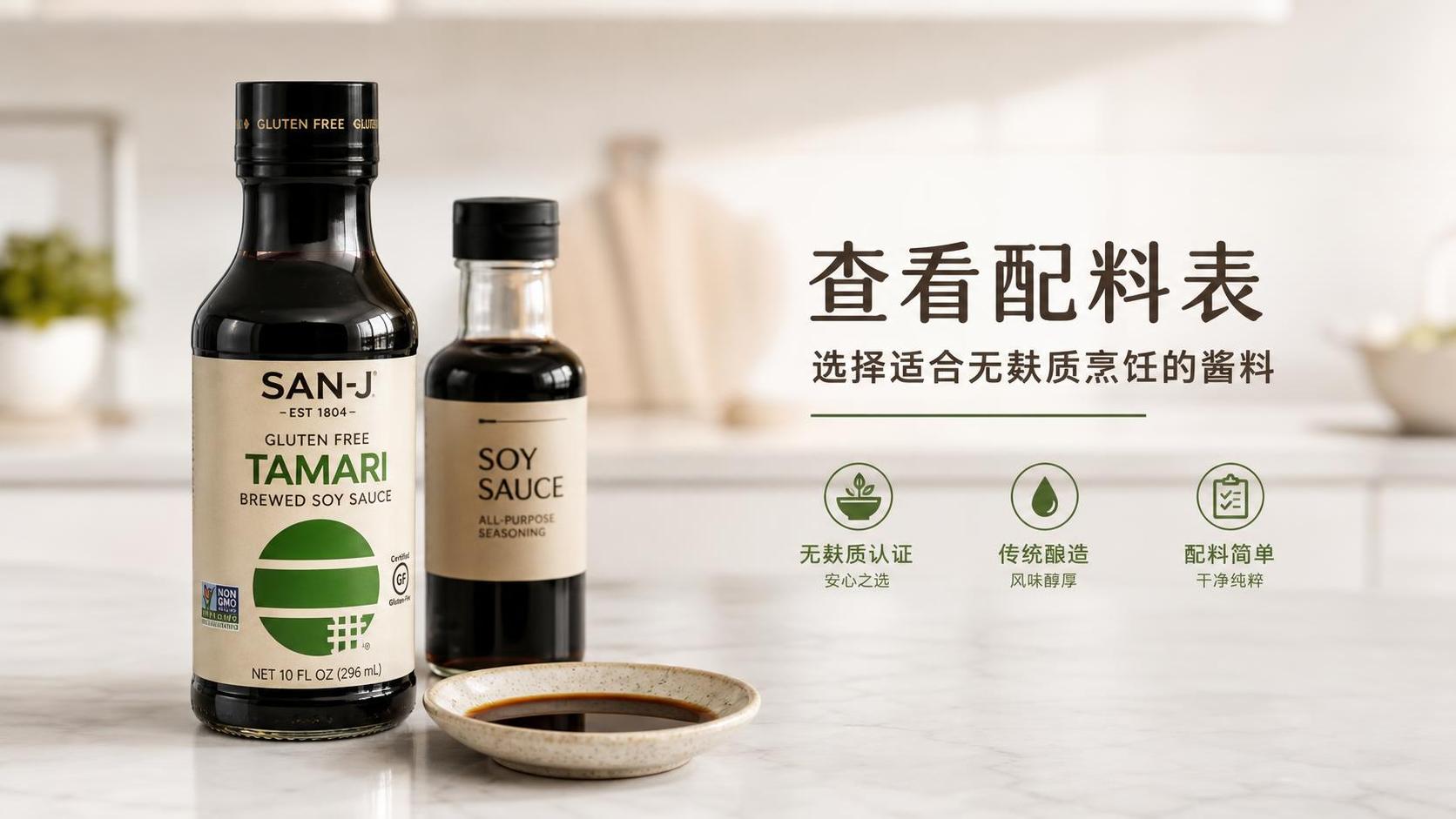
Start with the label, not the flavor
When people ask soy sauce vs tamari: which is better, what they usually mean is: which one lets me cook safely without giving up flavor? For gluten-free cooking, that answer starts at the ingredient list. Regular soy sauce is commonly made with soybeans and wheat. Tamari is often made with little or no wheat, which is why many gluten-free cooks reach for it first. But “often” is not the same as “always.” If you need to avoid gluten, don’t stop at the word tamari on the front label. Turn the bottle around and check both the ingredients and any gluten-free statement on the packaging.
That one habit prevents the most common kitchen mistake: assuming all tamari is automatically gluten-free, or assuming all soy sauce is off-limits. Recipes are easy to fix. A gluten reaction is not.
Use this checklist before you choose
- Check for wheat in the ingredient list. If wheat appears, it is not suitable for a strict gluten-free diet.
- Look for a clear gluten-free claim if that matters in your home. This is especially useful when shopping quickly or cooking for someone else.
- Think about the dish, not just the bottle. A dipping sauce, stir-fry, soup broth, and marinade all use salt and umami differently.
- Taste for balance. Tamari is usually smoother and rounder. Standard soy sauce often tastes sharper and more assertive.
- Watch the sodium level if you use it heavily. This matters more in soups, braises, and marinades where the sauce is not just a finishing accent.
The practical difference in everyday cooking
If you cook side by side with both, the flavor difference becomes clear pretty fast. Soy sauce tends to bring a familiar salty edge that cuts through fried rice, noodles, and quick stir-fries. Tamari usually tastes fuller, less harsh, and a little more concentrated in umami. That makes it especially good in simple gluten-free dishes where the sauce has nowhere to hide, like dipping sauces, steamed vegetables, grilled fish, or rice bowls.
This is why the question soy sauce vs tamari: which is better? does not have one universal winner. If your main goal is strict gluten-free cooking, tamari usually gets the first look. If your goal is to match the sharper taste profile many takeout-style recipes expect, a gluten-free tamari may still work well, but you may need to adjust the amount.
Match the sauce to the job
Here is where many home cooks overcomplicate things. You do not need a perfect answer for every recipe. You need a reliable way to choose.
For marinades: Tamari is a strong choice when you want depth without a rough salty edge. It pairs well with garlic, ginger, sesame, and a little sweetness. If you like building glaze-style dishes, a product such as Teriyaki Sauce can also fit into the same cooking routine, especially when you want a sweeter, ready-to-use direction instead of balancing soy notes from scratch.
For stir-fries: Soy sauce gives that classic fast, savory hit, but tamari still performs well. The adjustment is usually simple: start with a little less than the recipe calls for, taste, then build. Because tamari can taste richer, overpouring it is easier than people think.
For dipping: Tamari usually wins. Cleaner finish, less bite, better for sushi, dumplings, tofu, or eggs where you taste the sauce directly.
Don’t ignore cross-contact in a gluten-free kitchen
Choosing the right bottle is only half the job. If one person in the house cooks with regular soy sauce and another needs gluten-free meals, watch what happens around the stove. Shared measuring spoons, dipping bowls, marinade brushes, and half-used bottles cause more trouble than the recipe itself.
A simple system works better than a complicated one:
- Keep the gluten-free sauce in a separate, clearly labeled spot.
- Do not pour used sauce back into the bottle after dipping or marinating.
- Use clean utensils every time.
These sound basic, but they matter more than debating tiny flavor differences.
A few buying mistakes worth avoiding
One mistake is buying purely by price and then using extra sauce to get the flavor you wanted. That usually means too much salt and muddier results. Another is treating tamari as a one-to-one swap in every recipe without tasting as you go. It can work, but not blindly.
There is also the “healthy halo” problem. Some shoppers see tamari as automatically cleaner or better for everyone. It may be the better fit for gluten-free cooking, but better still depends on your target: safety, flavor, sodium, or recipe style. Those are different decisions.
So which one should you keep at home?
If you cook gluten-free regularly, keep tamari as your default bottle. It solves the main problem first and handles most everyday jobs well. If no one in your kitchen avoids gluten and you prefer a more classic sharp soy profile for fried rice or quick wok dishes, standard soy sauce still has its place.
For households that cook a mix of styles, the most practical setup is one dependable gluten-free tamari for daily use, then add specialty sauces only when a dish calls for them. That might include something like Teriyaki Sauce when you want a sweeter glaze profile rather than a straight soy-style seasoning.
If you want the short answer to soy sauce vs tamari: which is better? For gluten-free cooking, tamari is usually the safer and more flexible pick. Just make your decision in the right order: verify the label, match the flavor to the dish, then adjust the amount in the pan. That approach works far better than choosing by habit.
Tag
Related Products


Leave A Message
If you are interested in our products and want to know more details, please leave a message here, we will reply you as soon as we can.


