
Fat Fish Incident
What Is Tomato Sauce Used For in Everyday Cooking and Foodservice?
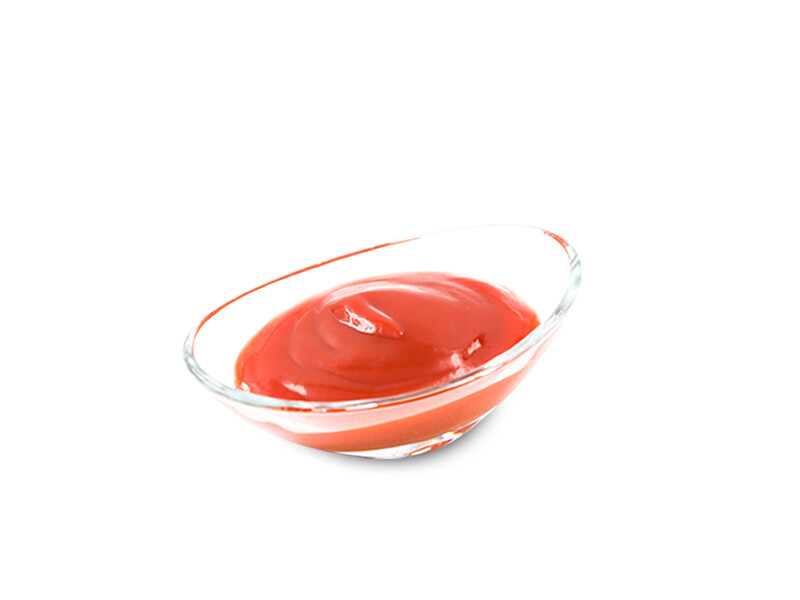
What Is Tomato Sauce Used For in Everyday Cooking and Foodservice?
Tomato Sauce is used to build flavor, color, moisture, and consistency in everyday meals and professional foodservice applications.
Its value lies in flexibility: one ingredient can support pasta, soups, stews, marinades, sauces, dips, and prepared foods.
For researchers, buyers, and foodservice planners, the key question is not only where it is used, but why it performs so reliably.
Tomato Sauce is one of the most versatile ingredients in everyday cooking and professional foodservice, valued for its rich flavor, appealing color, and adaptability across cuisines.
From quick family meals to large-scale restaurant preparation, it helps create soups, pasta dishes, stews, marinades, dips, and ready-to-serve products with consistent taste and quality.
This article explores how Tomato Sauce is used, why it matters in food production, and what buyers or researchers should consider when evaluating its applications.
Why Tomato Sauce Matters in Daily Cooking
In home kitchens, Tomato Sauce is often chosen because it reduces preparation time while still delivering a cooked, balanced tomato flavor.
Instead of peeling, chopping, simmering, and seasoning fresh tomatoes, cooks can start with a stable base and adjust it quickly.
This makes it useful for busy families, small restaurants, cafeterias, and anyone who needs repeatable results without complex preparation.
Its acidity brightens rich ingredients, while its natural sweetness balances herbs, spices, meats, legumes, and grains in many dishes.
Tomato Sauce also improves visual appeal. A vivid red sauce makes pasta, stews, pizzas, and casseroles look warmer and more appetizing.
For everyday cooking, this combination of convenience, taste, and appearance explains why it remains a pantry essential worldwide.
Common Everyday Uses of Tomato Sauce
The most familiar use is pasta. Tomato Sauce can be served simply, enriched with garlic, or combined with meat and vegetables.
It also works as a base for pizza sauce, especially when seasoned with oregano, basil, onion powder, or black pepper.
In soups, it adds body and depth to minestrone, vegetable soup, lentil soup, tomato soup, and broth-based comfort meals.
For stews, Tomato Sauce helps ingredients blend into a unified flavor profile, especially in slow-cooked meat, bean, or vegetable dishes.
It can be used in rice dishes, baked casseroles, shakshuka-style breakfasts, stuffed peppers, meatballs, and home-style braised recipes.
Many cooks also use it as a quick dip foundation, mixing it with chili, vinegar, herbs, or sweeteners depending on the dish.
How Foodservice Operators Use Tomato Sauce
In foodservice, Tomato Sauce is valued for consistency. Restaurants and cafeterias need the same taste and appearance across repeated servings.
Unlike fresh tomatoes, which vary by season, a prepared sauce can provide predictable color, texture, acidity, and tomato concentration.
This matters for menu planning because chefs can calculate usage, control costs, and reduce training demands for kitchen staff.
Large kitchens often use Tomato Sauce in batch cooking, including pasta trays, cafeteria stews, buffet items, and ready-to-heat meals.
It can also support private-label products, frozen meals, canned dishes, institutional catering, and meal kits requiring stable sauce performance.
For procurement teams, packaging format is important, and a suitable Package can improve handling, storage, and portion control.
Tomato Sauce as a Flavor-Building Ingredient
Tomato Sauce is not only a finished condiment. It is often a foundation for building more complex flavor systems.
Chefs may add garlic, onion, rosemary, thyme, chili, cumin, smoked paprika, wine, stock, cream, or cheese to create variations.
Because tomato naturally contains acidity and umami, it helps deepen savory dishes without overwhelming the main ingredient.
In meat dishes, it cuts through fat and supports slow cooking, making beef, pork, poultry, or sausage taste more rounded.
In vegetarian cooking, Tomato Sauce pairs well with beans, eggplant, mushrooms, zucchini, chickpeas, and whole grains for satisfying meals.
This adaptability is especially useful for food businesses developing recipes across multiple cuisines while keeping ingredient lists efficient.
Applications Across Different Cuisines
Italian cuisine is strongly associated with Tomato Sauce, but its use extends far beyond pasta and pizza.
In Mediterranean dishes, it appears in baked vegetables, seafood stews, bean dishes, and braised meats with herbs and olive oil.
In Middle Eastern and North African cooking, tomato-based sauces support spiced eggs, chickpeas, lamb, couscous, and slow-cooked vegetables.
In Latin American food, it may be used with rice, beans, enchiladas, soups, and seasoned meat fillings.
Asian kitchens also adapt Tomato Sauce in sweet-sour dishes, fusion noodles, curry bases, and sauces blended with soy or chili.
This cross-cultural usability is one reason manufacturers and foodservice buyers view Tomato Sauce as a high-demand ingredient.
What Buyers Should Evaluate Before Choosing Tomato Sauce
Researchers and procurement teams should first check the intended application. A pasta sauce base may need different thickness than soup preparation.
Texture matters. Some recipes require smooth sauce, while others benefit from a slightly pulpy tomato body or richer mouthfeel.
Flavor balance is equally important. Buyers should review acidity, sweetness, salt level, cooked tomato notes, and compatibility with seasonings.
Color consistency is critical in foodservice because visual differences can make customers question quality, even when flavor remains acceptable.
Ingredient transparency also matters. Many buyers compare whether the sauce contains preservatives, added sugar, stabilizers, or specific seasoning blends.
Shelf life, storage temperature, packaging size, and logistics should be evaluated together, especially for international distribution or large kitchens.
Why Consistency Is Important in Commercial Production
For food manufacturers, Tomato Sauce must perform reliably during heating, mixing, filling, freezing, or retort processing.
If viscosity changes too much, finished products may separate, look watery, or fail to meet customer expectations.
Stable tomato flavor is also important because sauces often form the recognizable taste signature of a packaged meal.
Consistent raw material selection, processing control, and quality inspection help maintain flavor, color, and texture across production batches.
This is particularly relevant for brands serving multiple markets, where consumers expect the same quality regardless of location.
Reliable sauce performance can reduce complaints, improve production planning, and support stronger long-term relationships with foodservice customers.
Health, Nutrition, and Consumer Expectations
Many consumers associate Tomato Sauce with wholesome cooking because tomatoes provide natural color, acidity, and plant-based flavor.
Tomatoes contain lycopene, a carotenoid linked with their red color, and cooked tomato products are commonly recognized for this compound.
However, nutrition depends on the full formula. Sodium, sugar, oil, and additives can vary significantly between products.
For health-conscious menus, buyers often prefer sauces with cleaner labels, moderate salt, and strong tomato flavor without excessive sweetness.
Restaurants may also use Tomato Sauce to create plant-forward dishes that satisfy customers seeking lighter or vegetarian options.
Clear product information helps chefs, retailers, and researchers match sauce choices with consumer trends and dietary expectations.
How Tomato Sauce Supports Menu Efficiency
One major advantage of Tomato Sauce is that it can simplify inventory while supporting many menu items.
A kitchen can use the same sauce base for pasta, soup, meatballs, stews, baked dishes, and specialty sauces.
This reduces the number of ingredients needed, lowers waste, and makes training easier for teams with varying skill levels.
It also supports faster service. When the base is prepared, staff can customize dishes quickly with spices, proteins, or vegetables.
For businesses, that flexibility can improve operational efficiency without sacrificing menu variety or customer satisfaction.
For home cooks, the same benefit appears as faster weeknight meals, fewer complicated steps, and easier meal planning.
Practical Tips for Using Tomato Sauce Better
For deeper flavor, heat Tomato Sauce gently with aromatics before adding main ingredients, rather than using it cold at the end.
If the sauce tastes too acidic, small amounts of carrots, onions, cream, olive oil, or slow cooking can soften sharpness.
If it is too thick, stock, water, wine, or vegetable broth can adjust texture without weakening the overall dish.
If it is too thin, simmering uncovered can concentrate flavor and improve coating ability for pasta, meat, or vegetables.
Season gradually. Since many sauces already contain salt or seasoning, adding everything at once can make dishes unbalanced.
For professional kitchens, documenting standard recipes ensures each cook uses the same dilution, seasoning, and cooking time.
Final Thoughts: What Tomato Sauce Is Really Used For
Tomato Sauce is used for much more than covering pasta. It is a practical flavor base, color enhancer, and cooking shortcut.
In everyday kitchens, it helps people prepare satisfying meals quickly while keeping recipes flexible and approachable.
In foodservice and manufacturing, it supports consistency, scalable production, menu efficiency, and reliable product quality.
The best choice depends on application, flavor profile, texture, packaging, shelf life, and the expectations of the target consumer.
For anyone researching Tomato Sauce, the most important takeaway is simple: its value comes from versatility and dependable performance.
When selected carefully, it can improve cooking results, simplify operations, and support better food experiences across many markets.
Tag
Related Products


Leave A Message
If you are interested in our products and want to know more details, please leave a message here, we will reply you as soon as we can.


