
Fat Fish Incident
Crispy Powder for Fried Chicken: What Matters
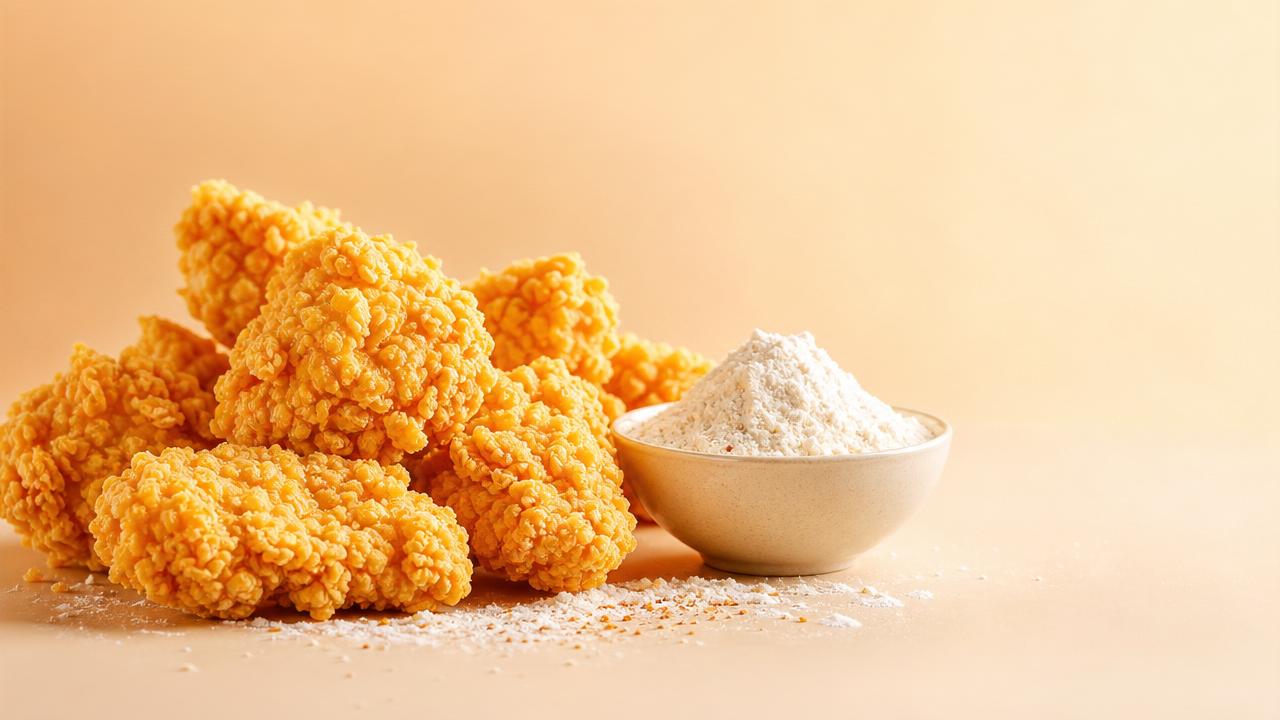
For kitchen operators, consistent crunch, color, and coating performance can define the success of every fried chicken batch.
Crispy Powder plays a key role in achieving a light, golden, stable texture in demanding foodservice environments.
Understanding adhesion, frying stability, flavor compatibility, and ingredient quality helps reduce waste and improve the eating experience.
What Is Crispy Powder for Fried Chicken?
Crispy Powder is a coating blend designed to improve surface crunch, visual appeal, and bite quality after frying.
It may include starches, flours, seasonings, raising agents, or functional ingredients that support crispness and coating structure.
For fried chicken, Crispy Powder must balance tenderness inside with a dry, flaky, and well-set outer layer.
A good formula should not simply harden the crust. It should create clean crunch without greasiness.
This matters when chicken is served immediately, held briefly, or delivered over a short distance.
Why Does Coating Adhesion Matter So Much?
Adhesion decides whether the coating stays on the chicken during handling, frying, plating, and transport.
Poor adhesion causes bare spots, uneven browning, oil contamination, and inconsistent portion appearance.
Crispy Powder should attach well to moist surfaces and work with common marinades or pre-dust steps.
For better results, chicken surfaces should be evenly drained before coating. Excess liquid weakens crust formation.
Overly dry meat can also reduce pickup. A controlled surface moisture level supports stable breading coverage.
- Use uniform chicken cuts for predictable coating thickness.
- Avoid heavy pressing unless a dense crust is desired.
- Rest coated pieces briefly before frying when the process allows.
- Keep dry Crispy Powder protected from steam and splashing water.
How Should Crispy Powder Perform During Frying?
Frying performance depends on oil temperature, coating thickness, moisture release, and powder composition.
Crispy Powder should brown evenly without burning before the chicken reaches a safe internal temperature.
It should also resist excessive oil absorption. A greasy crust feels heavy and loses crispness quickly.
Stable frying powder creates small surface bubbles, controlled texture, and an appetizing golden appearance.
If the coating darkens too fast, seasoning sugars or spices may be too sensitive for the fry cycle.
If the crust looks pale, the formula may need better browning support or more consistent oil control.
Practical Frying Checks
Test Crispy Powder under real service conditions, not only in a small trial pan.
Batch size, fryer recovery speed, and holding time all influence final crispness.
Record oil temperature, chicken weight, coating pickup, fry time, and holding quality for comparison.
Which Ingredients Influence Crunch, Color, and Flavor?
Different starches and flours create different textures. Some deliver light crispness, while others create stronger bite.
Crispy Powder often uses starch systems to reduce toughness and improve surface dryness after frying.
Seasonings must complement chicken without overpowering marinades, sauces, or dipping applications.
Color should look naturally golden. Excessive browning can suggest overcooking, even when the meat is correct.
For spicy fried chicken, Crispy Powder should carry heat evenly and avoid gritty spice separation.
For classic recipes, a neutral crispy coating helps the chicken flavor remain central.
How Can Busy Kitchens Improve Consistency?
Consistency starts before frying. Standardized mixing, coating, storage, and portioning are essential.
Dry blends should be mixed evenly, especially when spices, starches, or functional ingredients vary in particle size.
In larger preparation areas, controlled mixing equipment can support repeatable blend distribution and efficient handling.
For example, Self-tipping Spiral Mixers can support stainless, hygienic preparation workflows in commercial bakeries.
The listed models include SMT100, SMT130, SMF160, and SMF200 for different batch requirements.
Features such as hydraulic bowl elevation, fast auger speeds, and self-tipping discharge help reduce manual handling.
Although designed for dough applications, similar process thinking applies to food coating preparation: control, hygiene, and repeatability.
What Common Mistakes Reduce Crispy Powder Performance?
Many coating problems come from process errors rather than the powder itself.
Using wet utensils inside the dry container causes clumping and uneven seasoning distribution.
Frying too many pieces at once lowers oil temperature and makes the crust absorb more oil.
Holding fried chicken in sealed containers traps steam, softening even a strong Crispy Powder coating.
Another mistake is selecting only by price. Low-cost coating may increase waste or customer complaints.
How Should Crispy Powder Be Evaluated Before Selection?
Selection should combine sensory testing, process testing, and cost calculation.
Start with a small controlled batch, then move to peak-hour simulation.
Evaluate coating pickup, cooked yield, oil clarity, holding crispness, and consumer acceptance.
Crispy Powder that looks excellent for five minutes may not suit delivery-focused service.
Likewise, a strong crust may be too hard for bone-in chicken or smaller pieces.
The best choice supports the menu style, equipment, labor rhythm, and expected serving window.
Quick Selection Checklist
- Does the Crispy Powder match the target crunch level?
- Does it brown evenly within the required fry time?
- Does it stay crisp during realistic holding?
- Does the flavor work with marinades and sauces?
- Does it reduce waste through better adhesion?
FAQ: Practical Questions About Crispy Powder
Final Takeaway: Build Crispness Through Formula and Process
Crispy Powder is more than a dry coating. It is part of a complete fried chicken system.
The right choice improves adhesion, color, texture, flavor delivery, and operational consistency.
Before committing, test Crispy Powder with real chicken cuts, real fryers, and real holding conditions.
For stronger results, document each trial and compare taste, appearance, yield, and service stability.
A careful selection process helps create fried chicken that stays golden, crisp, and satisfying from batch to batch.
Tag
Related Products


Leave A Message
If you are interested in our products and want to know more details, please leave a message here, we will reply you as soon as we can.


