
Fat Fish Incident
How to Compare Bread Crumb Machine Quotations?
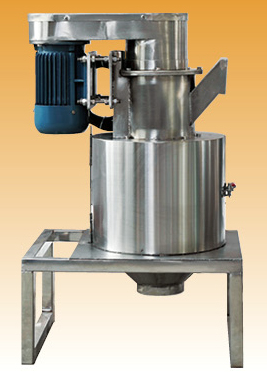
Comparing a Bread Crumb Machine quotation requires more than checking the lowest price. For procurement teams and project managers, it is essential to evaluate machine capacity, material quality, energy efficiency, customization, and after-sales support to ensure long-term value. Whether your production line also handles products such as Curry Powder for chicken, a reliable supplier can help improve consistency, reduce operating costs, and support sustainable food manufacturing goals.
What should procurement teams compare in a Bread Crumb Machine quotation?
In food processing projects, a Bread Crumb Machine quotation is not just a price sheet. It is a technical and commercial summary that affects output planning, utility costs, quality stability, installation timing, and future expansion. For buyers managing a new line or upgrading an existing coating system, the real question is not “Which quote is cheaper?” but “Which quote creates lower risk over the next 3–5 years?”
A useful quotation should clearly define at least 5 core items: production capacity, machine configuration, contact material grade, power consumption, and service scope. In the food industry, unclear wording can create expensive change orders later. If one supplier quotes 300kg/h and another quotes 500kg/h, the buyer must confirm whether the figure refers to raw dough input, finished crumb output, or peak test capacity under ideal conditions.
Project managers should also compare line compatibility. A machine used in coated chicken, shrimp, onion rings, or sweet potato balls may need different crumb sizes, dryer performance, and conveying design. If your plant also processes seasoning blends such as Curry Powder for chicken, consistency across breading and flavoring stages becomes even more important because uneven crumb size can affect pickup rate and seasoning adhesion.
In practice, quotation review often works best when divided into 3 layers: technical fit, operating cost, and supplier support. This prevents teams from approving a low initial price that later creates downtime, quality complaints, or maintenance delays.
- Technical fit: output range, crumb size control, automation level, and installation footprint.
- Operating cost: power load, wear parts, cleaning time, and labor requirement per shift.
- Supplier support: commissioning, spare parts response, documentation, and training coverage.
A quick comparison framework for quotation review
Before approving any Bread Crumb Machine quotation, use a side-by-side review table. This helps teams identify hidden cost items that do not appear in headline pricing but directly influence project success.
This structure keeps quotation review objective. It also helps procurement teams explain decisions to finance, engineering, and production departments using measurable criteria instead of preference.
How do technical parameters affect real production cost?
Technical performance has direct commercial impact. A machine with a lower purchase price may consume more energy, require more operators, or create broader crumb size variation. In a food plant running 8–16 hours per day, even small differences in efficiency can materially change annual operating cost.
Capacity should be reviewed in relation to your upstream and downstream equipment. For example, if the forming, battering, frying, and freezing sections are designed around 400kg/h, then a crumb line that performs best at 250kg/h or only remains stable at 600kg/h is not ideal. Buyers should request a practical operating range instead of a single peak number.
Energy efficiency matters as well. Ask for connected load, actual running load, and heating method if the process includes baking or drying stages. In many projects, the difference between quoted installed power and actual average consumption becomes visible only after start-up. A realistic utility estimate should cover electricity, compressed air, and any heating source used in 2–3 shift operations.
Particle size control is another hidden value driver. In coated foods, crumb size often affects appearance, adhesion, frying behavior, and final crunch. For applications requiring 2mm–10mm crumb styles, the machine should support stable output within the target range and allow manageable changeover between formats.
Technical indicators that deserve closer review
The following table highlights technical points that frequently influence quotation comparison in breadcrumb production and coated food processing.
When suppliers explain these factors clearly, the Bread Crumb Machine quotation becomes more transparent. It also becomes easier to predict cost per kilogram rather than only machine purchase cost.
Product compatibility in crumb applications
Food processors often evaluate machinery together with crumb performance. For example, Baked Bran Needles (Fresh Bran) is suitable for fried chicken, seafood, shrimp and other steak products, chicken thighs, chicken wings, onion rings, and sweet potato balls. Its available forms include granular and long needle textures, with size options from 2mm to 10mm, which is useful when teams compare equipment flexibility for multiple SKU requirements.
From a specification view, this product is made from wheat flour, water, yeast, and salt, with moisture content at 12% and ISO-listed certification information. For procurement teams, such details matter because crumb input characteristics influence machine feeding behavior, breakage rate, and final coating appearance. In other words, raw material consistency and machine design should be reviewed together, not separately.
Which commercial terms in a quotation are often overlooked?
Many purchasing problems come from commercial clauses rather than equipment failure. A Bread Crumb Machine quotation should specify delivery scope, packing method, installation responsibility, payment terms, and spare parts recommendations. Missing details can delay site acceptance by 7–15 days, especially when electrical standards, utility interfaces, or commissioning support were not aligned in advance.
Lead time is particularly important for project managers. A quoted production period may refer only to manufacturing, not including drawing confirmation, inland transport, export packing, sea freight, or on-site installation. In practical food equipment projects, total project timing can move through 4 stages: technical confirmation, production, shipment, and commissioning. Each stage should be visible in the quotation or annex.
Warranty terms also need interpretation. Buyers should confirm whether the warranty covers only component replacement or also remote diagnosis, site guidance, and restart support. For plants with tight launch schedules, waiting several days for troubleshooting on a key machine can affect contract supply obligations.
After-sales support is where long-term supplier value appears. Companies that focus on quality inheritance, continuous innovation, international market development, and greener manufacturing generally approach support more systematically. For food manufacturers seeking sustainable growth, this alignment matters because equipment decisions today influence energy use, material waste, and upgrade flexibility tomorrow.
A 6-point checklist before approving the final quote
- Confirm whether quoted capacity is continuous rated output or a short test result.
- Verify food-contact material specification and sanitation-friendly structure.
- Check utility requirement details, including power, air, and any heating demand.
- Request a spare parts list for the first 12 months of operation.
- Clarify commissioning support, operator training hours, and acceptance criteria.
- Review whether customization for product range or plant layout is included or quoted separately.
This checklist helps teams avoid the common mistake of comparing only total price. In B2B food projects, procurement quality often depends more on document clarity than on negotiation pressure alone.
How can project managers match the quotation to application scenarios?
A quotation should fit the production objective. A line designed mainly for chicken wings and onion rings may prioritize coating appearance and quick changeover. A plant focused on shrimp or formed seafood products may care more about gentle handling and stable crumb adhesion. That is why application matching is a practical step in Bread Crumb Machine quotation comparison.
For multi-SKU plants, ask whether one machine can support several crumb textures without heavy mechanical modification. If product families include fried chicken, seafood, and snack items, the supplier should explain the expected changeover procedure, typical cleaning interval, and operator adjustment points. This is often more valuable than a lower headline quote with limited flexibility.
It is also helpful to compare ingredient characteristics. A crumb product using a traditional baking process and an imported automatic baking production line may deliver a crispier texture and stronger frying resistance, especially for products that need a stable surface after freezing and frying. If your team evaluates coating performance together with machine sourcing, this integrated view supports better finished product consistency.
For example, sample-support capability can reduce risk during validation. When suppliers can provide test material, customization discussion, and factory-side technical communication within an early project window, buyers can make faster decisions without waiting until full installation to discover texture mismatch or handling issues.
Application-based quotation matching
Use this scenario table to connect process needs with quotation priorities.
By reviewing quotations through application scenarios, project teams can connect equipment choice with actual market products instead of relying on generic machine descriptions.
FAQ: common questions when comparing Bread Crumb Machine quotation
Is the lowest Bread Crumb Machine quotation usually the best option?
Not necessarily. The lowest quote may exclude commissioning, spare parts, training, or customization. In many food equipment purchases, these excluded items only become visible after contract signing. A better comparison method is to review total delivered scope, expected operating cost, and service responsiveness over the first 12 months.
How important is compatibility with products like Curry Powder for chicken lines?
It is important when the plant manages coating and seasoning in one process flow. If crumb size distribution is unstable, seasoning adhesion and product appearance may vary from batch to batch. That is why procurement teams should examine not just machine output but also how the quote supports line consistency for finished food products.
What delivery timeline should buyers ask about?
Ask for the full timeline, not only the factory production period. A realistic schedule may include 1–2 weeks for technical confirmation, several weeks for manufacturing depending on configuration, plus shipment and commissioning time. The exact range varies by project, but buyers should request milestone visibility before approval.
Which product validation details should be checked during evaluation?
Check crumb texture, input material characteristics, application fit, and whether sample testing is possible. For example, if a supplier can support materials with defined nutritional and physical data, such as moisture content, size range, and packaging specifications, the buyer can validate both handling and finished product performance more efficiently.
Why choose a supplier that combines quality focus, innovation, and long-term support?
Food manufacturers need more than a machine vendor. They need a partner that understands product quality, line coordination, market expansion, and sustainable production. A supplier committed to excellent quality, new product development, international market service, and green investment is often better prepared to support both present orders and future capacity upgrades.
This matters for procurement teams facing strict budgets and for project managers working under launch deadlines. When technical consultation, product understanding, and after-sales response are aligned, quotation comparison becomes simpler and implementation becomes faster. Over the long term, that reduces risk in product quality, operating cost, and expansion planning.
If you are comparing a Bread Crumb Machine quotation, we can support practical decision-making with parameter confirmation, application matching, crumb product discussion, delivery cycle review, customization options, sample support, and quotation communication. If your process also includes Curry Powder for chicken or other coated food applications, we can help align machine selection with product goals.
Contact us to discuss 3 key areas before purchase: required capacity range, target product application, and service scope after installation. With clearer data at the quotation stage, your team can move from price comparison to value-based procurement with greater confidence.
Tag
Related Products


Leave A Message
If you are interested in our products and want to know more details, please leave a message here, we will reply you as soon as we can.


