
Fat Fish Incident
What Should a Bread Crumb Machine Quote Include?
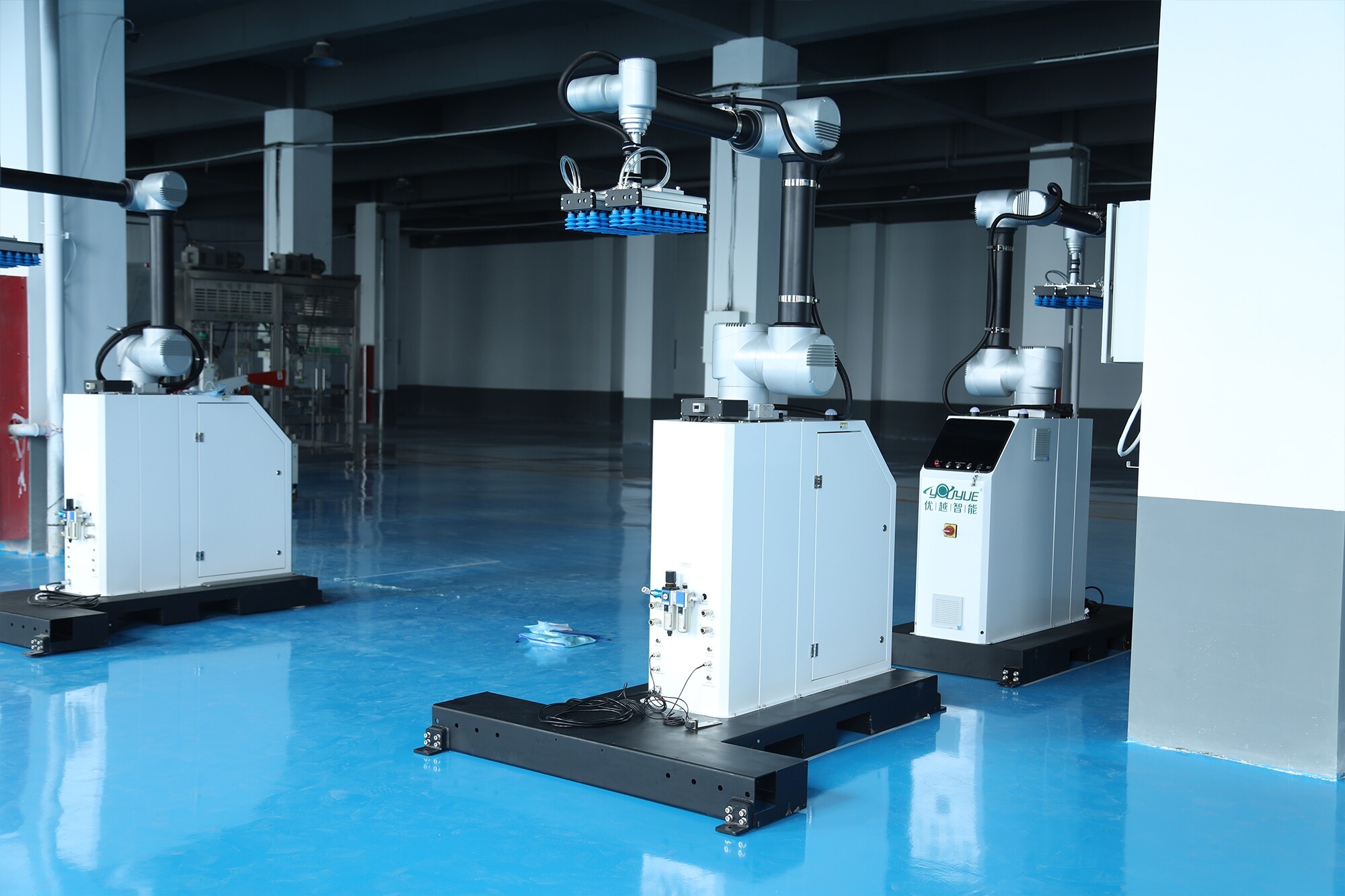
For procurement teams and project managers evaluating processing equipment, a clear Bread Crumb Machine quotation should cover not only price, capacity, and material standards, but also installation, after-sales service, and long-term operating value. Whether you produce coatings for snacks or blends paired with Curry Powder for chicken, understanding what a complete quote includes helps you compare suppliers accurately and make a more confident investment decision.
Why is a Bread Crumb Machine quotation more than just a price list?
Many buyers first look at the bottom-line figure, but a Bread Crumb Machine quotation is really a technical and commercial document. In food processing projects, the machine price may represent only 55% to 75% of the total first-stage investment once freight, installation, utilities connection, and commissioning are counted. A quote that only shows equipment cost makes supplier comparison difficult and increases the risk of change orders later.
For project managers, the quotation is also a planning tool. It helps confirm whether the proposed line fits the required crumb type, target hourly output, factory layout, operator skills, and hygiene expectations. In coating applications for poultry, seafood, snacks, and ready meals, even a small mismatch in crumb size range or moisture handling can affect final product appearance, pickup rate, and frying stability.
A strong quotation should also connect commercial terms with production goals. If your plant expects 300 kg/h, 500 kg/h, or 1,000 kg/h output, the supplier should state how that capacity is defined, under what raw material conditions, and whether the figure reflects continuous operation or ideal test conditions. This avoids common misunderstandings that surface only after installation.
What basic sections should appear in a complete quote?
- Equipment scope, including main machine, feeders, conveyors, crushers, sieves, and control cabinet.
- Technical specification, such as capacity range, power consumption, voltage, material contact parts, and automation level.
- Commercial terms, including unit price, validity period, payment terms, delivery lead time, and packing method.
- Project support details, including installation guidance, training hours, spare parts list, and warranty coverage.
- Exclusions and assumptions, so buyers know what is not included before issuing a purchase order.
When these sections are clearly written, procurement can compare two or three suppliers on the same basis instead of comparing incomplete offers. That is especially important when a lower initial quote hides missing items such as PLC brand, food-grade seals, or startup support.
What technical details should a Bread Crumb Machine quotation include?
The technical section is where many quotations become either useful or risky. At minimum, buyers should expect the Bread Crumb Machine quotation to specify output range, finished crumb style, raw material input condition, machine dimensions, installed power, and material grade for product-contact components. In food factories, 304 stainless steel is common, while some projects may ask whether 316 stainless steel is needed for specific corrosive cleaning conditions.
It is also important to define crumb performance targets. Are you producing coarse Japanese-style crumbs, fine coating particles, or standard dried crumbs for industrial breading systems? If the quotation does not indicate particle distribution such as 2–4 mm, 4–6 mm, or customized screening classes, the machine may not match your downstream fryer or applicator system.
For lines serving multiple food categories, flexibility matters. Some buyers need one setup for snack coatings today and another for poultry products tomorrow, including formulations that complement Curry Powder for chicken. In that case, the quotation should note recipe changeover time, cleaning access, and control settings memory, because 15-minute changeovers and 60-minute changeovers create very different labor costs over a year.
Which technical points deserve special attention during comparison?
Before reviewing the table below, it helps to separate headline capacity from usable capacity. In practical food production, actual throughput may vary by 10% to 20% depending on moisture, ingredient structure, operator practice, and target crumb shape. That is why technical wording in the quote matters as much as the numeric figure.
This table shows why a complete Bread Crumb Machine quotation should read like a project brief, not a short invoice. The more precisely these items are defined, the easier it becomes to estimate performance, sanitation effort, and compatibility with existing food processing lines.
How does food application affect the specification?
If the final use is chicken coating, fish fillets, fried vegetables, or snack crust systems, buyers should mention this in the inquiry stage. The crumb style needed for frozen products often differs from that for quick-service fried products. Your quotation should therefore mention application assumptions, not only machine dimensions.
In broader food portfolios, condiment and coating compatibility also matters. For example, companies serving Western fast food or fried product channels may also source ingredients such as Mayonnaise for finished menu applications, so processing consistency, hygiene, and certification alignment across the supply chain become more relevant during equipment selection.
Where product certification is part of the buying process, quotations should state whether machine documentation can support plant requirements tied to HACCP plans, sanitation procedures, and export-oriented audits. Even when the machine itself is not “certified” in the same way as food, documentation quality still affects approval speed.
Which commercial terms should procurement teams check before approving the quote?
Commercial terms often determine whether the project stays on budget. A useful Bread Crumb Machine quotation should state currency, Incoterms basis, payment schedule, delivery period, packaging, and quote validity. A 30-day validity window is common for machinery offers because steel, electrical parts, and freight can change over time. If the validity period is missing, later price revisions may lead to unnecessary negotiation delays.
Payment terms should be specific enough for internal approval. Many industrial projects use a staged structure such as deposit, pre-shipment balance, and retention or acceptance-linked settlement. Procurement should also check whether the quote includes bank charges, export packing, manuals, and commissioning support, because these items can create hidden cost differences of 5% to 12% between suppliers.
Delivery timing must be defined in calendar weeks, not vague language. For example, “8–12 weeks after deposit and drawing confirmation” is more actionable than “prompt shipment.” Project managers can then align civil work, utility setup, and staffing plans with the supplier’s manufacturing schedule.
What should be compared line by line?
A structured comparison table helps prevent procurement errors. Instead of asking only who has the lowest price, compare scope, exclusions, and service assumptions side by side. That approach is especially useful when quotations look similar but differ in details that affect total ownership cost.
By comparing quotations this way, buyers can identify where a low machine price may be offset by weaker support or higher downstream cost. This is one of the most practical ways to evaluate a Bread Crumb Machine quotation objectively.
What service, installation, and after-sales items should be written into the quotation?
In food projects, successful startup depends on more than shipping the equipment. The quotation should explain whether the supplier will provide layout confirmation, utility requirement sheets, startup supervision, operator training, and maintenance instructions. Even for compact systems, 1 to 3 days of onsite or remote commissioning support can significantly reduce startup problems.
After-sales service should be defined in practical terms. Procurement teams should ask how quickly technical responses are given, what spare parts are considered critical, and whether electrical documentation and exploded drawings are included. A clear reply time window such as within 24 to 48 hours is more useful than general promises of support.
For plants working with multiple food categories, sanitation and maintenance instructions are especially important. If your facility also handles sauces or accompaniments in foodservice channels, products such as Mayonnaise may already require strict hygiene systems, and buyers often prefer equipment partners who understand closed operation, stable quality, and documentation discipline. That mindset supports smoother audits and better long-term operation.
Which service questions should be asked before purchase order release?
- Will the supplier provide a utility list covering power, air, and space requirements?
- Is FAT or pre-shipment inspection available, and what can be witnessed remotely or onsite?
- How many training sessions are included for operators and maintenance staff?
- Which wear parts are recommended for the first 6 to 12 months of operation?
- What documentation is delivered: manuals, wiring diagrams, spare parts book, and troubleshooting guide?
When these points are included in the Bread Crumb Machine quotation, project execution becomes more predictable. They also help procurement defend supplier selection internally because the decision is based on lifecycle support, not just acquisition cost.
What are the most common mistakes when reviewing a Bread Crumb Machine quotation?
One common mistake is assuming all capacities are measured in the same way. Some suppliers may quote peak theoretical throughput, while others quote stable operating output. If one offer says 800 kg/h and another says 650 kg/h, the lower figure may still be the more realistic one depending on raw material condition and screen configuration.
Another mistake is ignoring exclusions. A quotation may not include installation materials, air compressor connection, local cable laying, or even the control panel language setting. These omissions are not always problematic, but they must be visible. Otherwise, project budgets can expand after order confirmation.
Buyers also sometimes focus too narrowly on the machine and forget the product outcome. If your breadcrumb output is intended for premium fried applications or seasoning systems associated with Curry Powder for chicken, consistency of texture and particle size can be more valuable than a small difference in purchase price. Over 3 to 5 years, operational stability often matters more than the initial quote gap.
Quick FAQ summary for decision makers
The following checklist can be used during internal review meetings. It is useful when procurement, engineering, and production teams need a shared framework before moving to supplier negotiation or sample validation.
This kind of FAQ table shortens decision time because it turns a broad supplier discussion into a manageable set of approval points. It is especially helpful for cross-functional teams working under lead-time pressure.
How should buyers prepare before requesting a formal quotation?
A better inquiry usually produces a better quotation. Before contacting suppliers, procurement teams should prepare target capacity, product application, preferred crumb size range, plant voltage, available floor space, and expected delivery date. Even 6 to 8 core data points can improve quote accuracy substantially.
Project managers should also identify whether the machine is part of a new line, an expansion, or a replacement. Retrofit projects often require extra checks such as infeed height, discharge direction, and interface with existing conveyors or seasoning systems. Without that information, the first quotation may not reflect the real project scope.
If your company serves export markets and values quality continuity, it is wise to ask early about material traceability, documentation quality, and support for customer inspections before shipment. This reflects a more disciplined sourcing approach and helps align machine procurement with broader food business goals, including quality, innovation, and sustainable long-term development.
Why choose us or contact us for quotation support?
We understand that a Bread Crumb Machine quotation must support both purchasing approval and real production performance. For buyers in the food industry, we focus on practical details: parameter confirmation, application matching, layout coordination, delivery timing, and after-sales clarity. That helps reduce uncertainty before order placement and improves communication across procurement, engineering, and production teams.
If you are comparing suppliers for bread crumb processing, fried coating applications, or related ingredient systems including Curry Powder for chicken pairings, you can contact us to discuss capacity range, material configuration, spare parts planning, certification-related documentation needs, and sample or process expectations. We can also help review whether the quotation scope matches your project stage and factory conditions.
To move faster, prepare your target output, product type, preferred crumb specification, plant voltage, and required delivery window. We welcome inquiries covering product selection, customized solutions, lead-time planning, quotation communication, and sample support so your team can make a more confident and efficient investment decision.
Tag
Related Products


Leave A Message
If you are interested in our products and want to know more details, please leave a message here, we will reply you as soon as we can.


