
How to Maintain Bulk Bread Crumbs Qualityto minimize waste and ensure food safety.
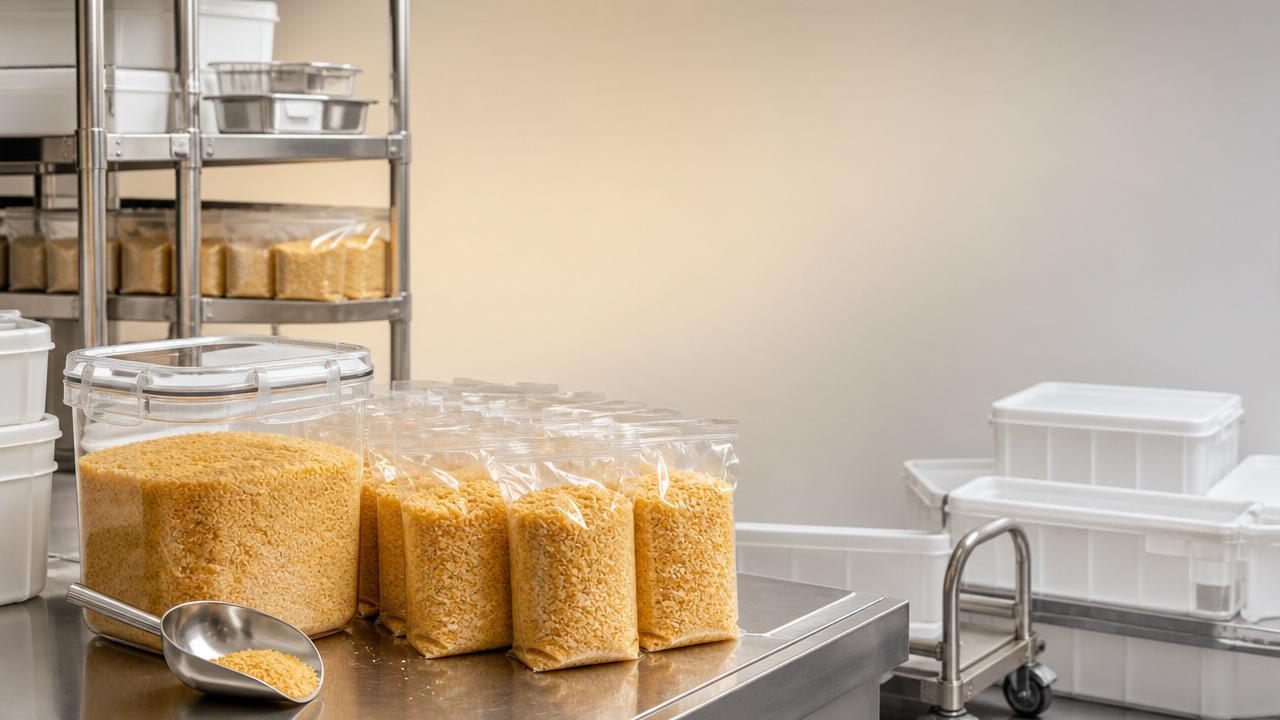
Maintaining bulk bread crumbs quality is essential for minimizing waste, protecting flavor and texture, and ensuring food safety across the food industry. As consumer expectations continue to rise, manufacturers must focus on proper storage, moisture control, hygienic handling, and sustainable production practices. This guide explores practical ways to preserve product consistency while supporting innovation, quality excellence, and long-term market competitiveness.
For food manufacturers, distributors, restaurants, supermarkets, and hotel supply teams, bread crumb stability is not a minor handling issue. A small rise in moisture, an extra 24 hours in poor storage, or weak stock rotation can quickly increase waste, reduce coating performance, and create avoidable food safety risks.
Why Bulk Bread Crumbs Quality Matters in Food Operations
Bulk bread crumbs are widely used in coating, filling, topping, and texture applications. In large-volume food production, quality consistency directly affects adhesion rate, frying color, crispness retention, and final yield. Even a 2% to 3% moisture increase can change flowability and shorten usable shelf life.
Key risks caused by poor control
- Clumping during storage and transfer
- Uneven particle distribution in coating lines
- Flavor loss after 30 to 60 days in unstable conditions
- Higher cross-contamination risk from open handling
- Waste growth due to expired or downgraded inventory
These issues matter most in facilities serving export markets, high-volume prepared foods, and private-label retail programs. Buyers increasingly expect stable texture, traceable sourcing, and certified quality systems such as BRC, HACCP, and ISO-aligned controls.
Operational impact by quality factor
The table below shows how common quality variables influence production performance, waste, and safety in commercial food environments.
The most effective prevention strategy is not a single action. It is a system of dry storage, sealed packaging, disciplined handling, and clear inspection points from receiving to final application.
Storage, Moisture Control, and Hygienic Handling Best Practices
To minimize waste and preserve food safety, operators should manage bread crumbs through 4 critical stages: receiving, storage, usage, and replenishment. Each stage needs measurable controls instead of informal visual checks.
1. Receiving inspection
Check packaging integrity, lot coding, odor, color uniformity, and dryness at delivery. A practical receiving checklist includes at least 5 items and should be completed within 2 hours of arrival to reduce exposure and documentation gaps.
2. Dry and controlled storage
Store bulk bread crumbs in a cool, dry zone away from steam, wash areas, and direct sunlight. Keep pallets at least 15 cm off the floor and separated from walls to improve airflow, inspection access, and pest control. Open bags should be resealed immediately after each use.
3. Hygienic transfer and usage
Use dedicated scoops, closed bins, and labeled transfer containers. If operators handle multiple dry ingredients on the same line, sanitation between product changes should follow a defined interval, often every shift or every 4 to 8 hours depending on production intensity.
Recommended control points
The following control matrix helps procurement and quality teams standardize daily operations across factories, restaurant chains, and central kitchens.
When these 3 stages are documented and reviewed, waste usually becomes easier to trace. Teams can identify whether losses come from purchasing volumes, storage discipline, or production handling rather than blaming product quality alone.
How Buyers Can Choose Reliable Food Suppliers and Consistent Products
For B2B buyers, maintaining bulk bread crumbs quality begins before the product reaches the warehouse. Supplier evaluation should include raw material control, production experience, audit readiness, packaging performance, and responsiveness to sample requests or customized specifications.
Supplier review criteria
- Quality management certification such as BRC, HACCP, and ISO
- Stable sourcing of wheat-based raw materials
- Export experience and documentation accuracy
- Flexible specification support for foodservice and retail channels
- Clear communication on samples, lead time, and packaging format
A supplier with more than 20 years of production and R&D experience may be better positioned to support texture consistency, private-label development, and international market requirements. This is especially valuable for companies balancing quality, innovation, and sustainable growth in competitive food markets.
Related product applications in foodservice
Bread crumb quality is also important when paired with ready-to-use bakery and wrap products in restaurants, supermarkets, and hotels. For example, Original Burrito is supplied for foodservice applications using wheat flour, water, shortening, yeast, and salt, with circular size options in 6, 8, 10, and 12 formats.
Its thin soft texture supports fast assembly steps such as heating the crust for 10 seconds, adding fried chicken or other meat, cucumber, onion, and sauce, then rolling for service. For procurement teams, products backed by BRC, HACCP, and ISO-oriented systems can improve confidence across multi-site operations.
Reducing Waste While Supporting Long-Term Food Business Growth
Waste reduction is not only a cost issue. In food businesses with broad export goals and sustainability targets, every rejected batch, damaged bag, or expired dry ingredient weakens margin control and environmental performance. A practical waste-reduction plan should include 3 layers: forecasting, storage discipline, and line-level accountability.
Common mistakes to avoid
- Ordering bulk volumes without matching 2 to 4 week usage forecasts
- Leaving opened materials exposed during production breaks
- Mixing older and newer lots without traceability
- Ignoring early signs of odor change or texture hardening
Companies that continue to invest in quality excellence, new product development, and greener production practices are usually better prepared for future market demands. Consistent food safety discipline, product innovation, and responsible sourcing help strengthen competitiveness in domestic and international channels alike.
If you are evaluating bread crumb handling standards, dry ingredient supply reliability, or broader foodservice product solutions, now is the right time to review your process. Contact us to discuss customized sourcing options, request samples, or learn more about practical solutions for safer, more efficient food production.
Tag
Related Products


Leave A Message
If you are interested in our products and want to know more details, please leave a message here, we will reply you as soon as we can.


