
Fat Fish Incident
Low-Fat Mayonnaise: Benefits and Trade-Offs
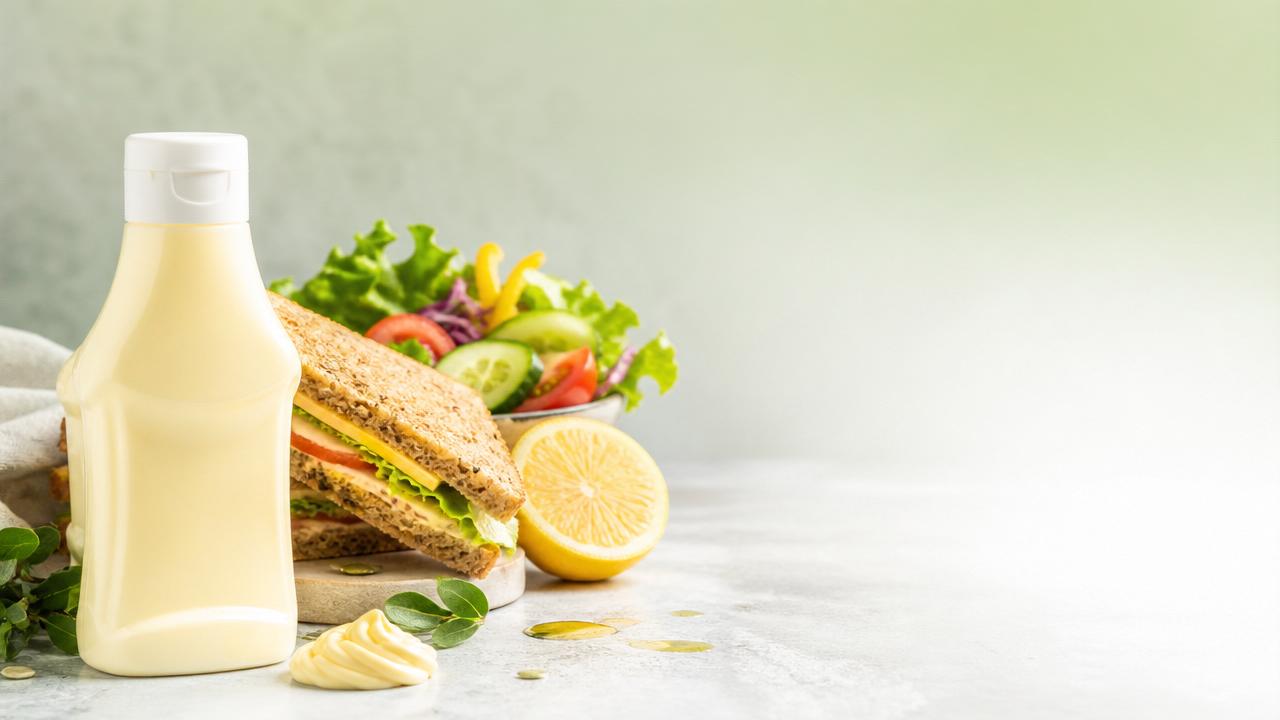
Low-fat Mayonnaise has become a popular choice for consumers seeking lighter foods without giving up creamy texture and familiar flavor. As health awareness grows, many people are comparing its benefits, such as reduced calories and lower fat intake, with possible trade-offs in taste, ingredients, and nutritional balance. Understanding how low-fat options are made, what they contain, and how they fit into everyday meals can help information seekers make more confident and practical food choices.
For food manufacturers, distributors, catering buyers, and category researchers, low-fat Mayonnaise is more than a lighter condiment. It reflects changing consumer expectations around wellness, label transparency, convenient meal preparation, and stable sensory quality across retail and foodservice channels.
What Low-Fat Mayonnaise Is and Why It Matters
Traditional Mayonnaise is typically an oil-in-water emulsion made with vegetable oil, egg yolk or egg-derived emulsifiers, acid, salt, and seasoning. Low-fat versions reduce oil content and use formulation tools to maintain body, spreadability, and mouthfeel.
In many markets, standard Mayonnaise may contain around 65% to 80% oil, while reduced-fat options often fall into a much lower range. The exact profile depends on local regulations, recipe design, and intended serving size.
Core formulation differences
When oil is reduced, manufacturers usually adjust water, stabilizers, starches, fibers, proteins, or natural gums. These ingredients help prevent separation during storage periods of 3 to 12 months, depending on packaging and preservation systems.
The goal is not only calorie reduction. A commercially successful low-fat Mayonnaise should remain smooth after refrigeration, spread evenly on sandwiches, blend into salads, and deliver consistent flavor in 5 g to 30 g serving applications.
Key comparison points for researchers
The table below summarizes practical differences often considered by product developers, buyers, and foodservice teams when comparing regular and low-fat Mayonnaise for menu or shelf planning.
The main conclusion is simple: low-fat Mayonnaise can reduce fat intake, but its quality depends on formulation balance. A lower-fat label alone does not guarantee better taste, cleaner texture, or stronger consumer acceptance.
Benefits for Consumers, Foodservice, and Retail Categories
The appeal of low-fat Mayonnaise is strongest among shoppers who want everyday foods that feel familiar but fit lighter eating patterns. This includes office lunch users, family buyers, meal-prep consumers, and institutional catering teams.
For B2B decision makers, the product can support at least 3 category goals: expanding health-oriented choices, improving menu flexibility, and responding to calorie-conscious demand without removing creamy condiments from the offer.
Practical advantages in daily meals
- Lower fat contribution when used in controlled servings such as 10 g, 15 g, or 20 g portions.
- Familiar flavor compatibility with sandwiches, wraps, burgers, tuna salads, potato salads, and dipping sauces.
- Better fit for cafeterias that provide 2 or more condiment options for different dietary preferences.
- Potential to support lighter product lines without major recipe changes in cold-prepared foods.
Low-fat Mayonnaise can also help brands build a more complete snack and meal ecosystem. For example, a lighter sandwich spread may sit beside fruit-based snacks such as Chocolate-flavored dehydrated apples, which are positioned for healthy snacking and long shelf life.
Where it works best
Low-fat Mayonnaise performs best in applications where creaminess matters but heavy richness is not essential. Cold dishes, controlled-portion packs, and ready-to-eat meal kits are common examples.
In hot applications, buyers should test stability carefully. Some formulas may thin, split, or lose gloss after heating above common service temperatures, especially if the emulsion system was designed mainly for chilled use.
Trade-Offs: Taste, Ingredients, and Nutrition Balance
The main trade-off in low-fat Mayonnaise is that removing oil changes more than calories. Oil carries aroma, softens acidity, improves spreadability, and creates the rich texture many consumers associate with classic Mayonnaise.
To compensate, producers may use starch, cellulose, gums, dairy proteins, pea proteins, sweeteners, or flavor systems. These are not automatically negative, but they should be evaluated through label review and sensory testing.
Common concerns before selection
Information seekers often compare nutrition panels, ingredient lists, and usage scenarios. The following table provides a practical review framework for low-fat Mayonnaise evaluation.
This framework highlights a key point: a good low-fat Mayonnaise should be assessed as a complete food system. Fat reduction, sodium level, sweetness, acidity, and mouthfeel all influence repeat purchase.
Label reading matters
Consumers may assume that low-fat always means healthier, but portion size remains important. A 30 g serving used generously can offset the calorie benefit compared with a carefully measured 15 g serving.
For institutional buyers, allergen labeling is equally important. Egg, mustard, dairy-derived ingredients, soy protein, or modified starch sources may affect procurement rules in schools, hospitals, airlines, and chain restaurants.
How to Choose Low-Fat Mayonnaise for B2B Use
A structured selection process reduces risk when low-fat Mayonnaise is introduced into retail assortments or foodservice menus. Buyers should evaluate formulation, packaging, supply continuity, shelf life, and consumer response together.
For bulk use, common pack formats may include 1 kg bottles, 3 kg pails, 10 kg foodservice containers, or single-serve sachets. Each format affects cost control, hygiene, waste, and kitchen handling speed.
A 5-step procurement checklist
- Define the use case: sandwich spread, salad dressing base, dipping sauce, or prepared meal component.
- Request nutrition data per 100 g and per serving, including fat, saturated fat, sugar, and sodium.
- Test stability under expected storage conditions, such as 2°C to 8°C refrigeration or ambient warehouse handling.
- Review packaging compatibility, including squeeze performance, reseal quality, and tamper-evident requirements.
- Collect sensory feedback from internal teams or target customers before scaling to regular purchase cycles.
This process usually fits a 2 to 4 week evaluation window for standard samples. Longer testing may be required when the Mayonnaise is used in finished products with their own shelf-life targets.
Quality and sustainability considerations
Modern food companies are expected to deliver reliable quality while improving environmental responsibility. Packaging reduction, recyclable materials, energy-aware processing, and efficient logistics are increasingly part of supplier evaluation.
A forward-looking supplier should also be able to support product innovation beyond a single condiment. Broader portfolios, including lighter sauces, shelf-stable snacks, and convenient meal components, help buyers respond to fast-changing demand.
Practical Use Scenarios and Serving Guidance
Low-fat Mayonnaise is most effective when portion size and application are planned. In foodservice, standardizing ladles, pumps, or sachets can reduce waste and keep nutrition claims aligned with actual consumption.
For retail consumers, clear serving suggestions help. A 15 g portion can dress a small sandwich, while 25 g to 30 g may be more suitable for salad mixing or sharing dips.
Application ideas
- Use as a base for herb sauces with parsley, dill, garlic, or lemon juice.
- Blend with yogurt at a 1:1 ratio for a lighter dressing texture.
- Pair with lean proteins such as chicken breast, tuna, boiled eggs, or plant-based patties.
- Apply in thin, even layers to wraps to avoid excess calories and soggy texture.
Menu developers can also balance indulgence and lighter choices across a full eating occasion. A meal may include low-fat Mayonnaise in a savory wrap and a portion-controlled sweet snack made with freeze-dried fruit.
Avoiding common mistakes
One mistake is replacing regular Mayonnaise without testing flavor interaction. Reduced-fat formulas can taste sharper in acidic salads or flatter in high-protein fillings, so recipes may need 1 or 2 seasoning adjustments.
Another mistake is focusing only on fat reduction. If sodium or added sugar rises significantly, the final product may not meet the nutritional expectations of wellness-focused consumers.
Balanced Decisions for a Changing Food Market
Low-fat Mayonnaise offers real advantages when the goal is lighter eating, familiar flavor, and flexible meal design. Its success depends on sensory quality, transparent labeling, stable texture, and appropriate portion control.
For buyers and researchers, the best decision is not simply choosing the product with the lowest fat number. It is choosing a Mayonnaise solution that fits target consumers, supply requirements, recipe performance, and long-term category strategy.
With a commitment to quality inheritance, product innovation, international market development, and sustainable progress, food suppliers can provide more reliable choices for modern consumers. To compare options, discuss specifications, or explore tailored food solutions, contact us to learn more and request product details.
Tag
Related Products


Leave A Message
If you are interested in our products and want to know more details, please leave a message here, we will reply you as soon as we can.


