
Fat Fish Incident
Storage & Shelf Life: How to Keep Bulk Commercial Seasoning Powder Fresh
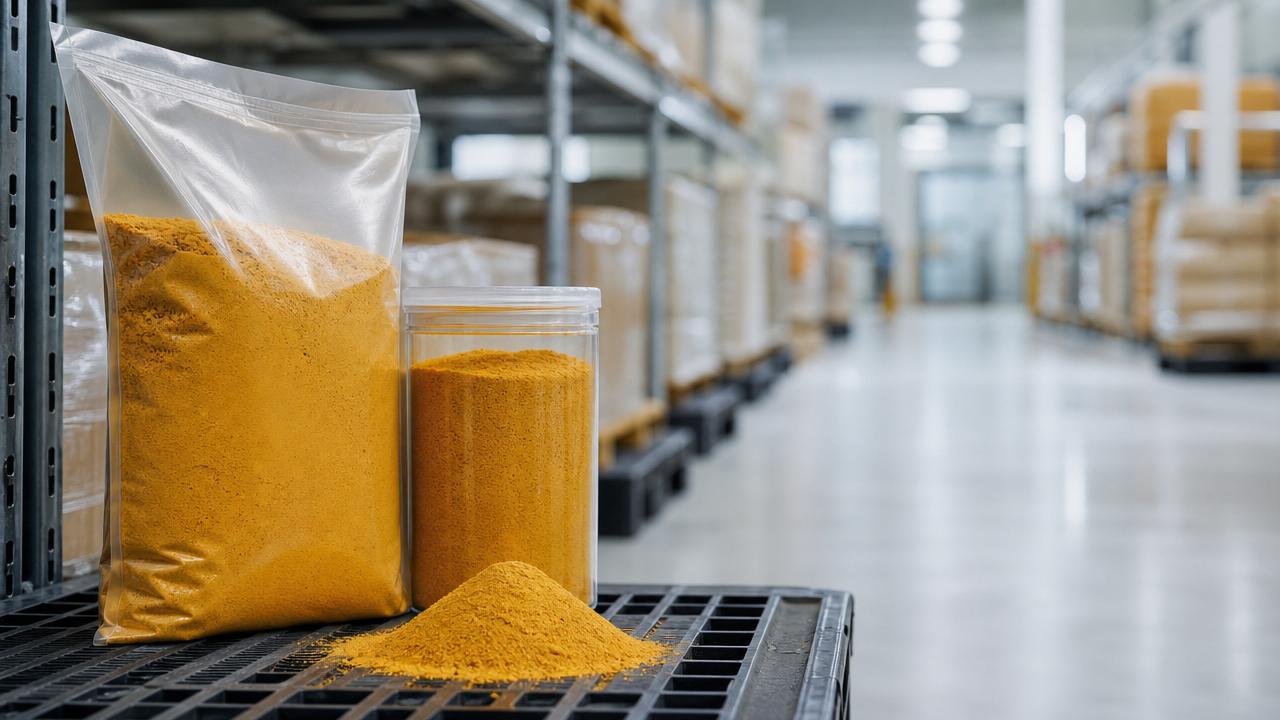
Proper storage is essential to preserve the flavor, color, and safety of bulk commercial seasoning powder.
In food operations, even a well-formulated powder can lose quality when storage conditions are ignored.
Moisture, oxygen, heat, light, and handling practices all affect freshness and shelf life.
Strong storage control helps reduce waste, protect product integrity, and support consistent taste across batches.
It also aligns with long-term goals of quality improvement, innovation, and sustainable food development in global markets.
Understanding bulk commercial seasoning powder and shelf life
Bulk commercial seasoning powder includes spice blends, vegetable powders, savory bases, and functional flavor ingredients used in food production.
Shelf life is the period during which the powder remains safe and keeps acceptable sensory and functional quality.
For bulk commercial seasoning powder, freshness is not only about taste.
It also affects color stability, flowability, aroma retention, microbial safety, and recipe consistency.
Most shelf life limits come from oxidation, moisture absorption, aroma loss, caking, and contamination after opening.
A printed date is only part of the picture.
Real shelf life depends on packaging, storage climate, warehouse hygiene, and the frequency of container access.
Current storage priorities in the food industry
The food sector now pays closer attention to seasoning powder storage because quality expectations are rising worldwide.
Customers expect stable flavor and cleaner labels, while businesses seek lower loss and better traceability.
- Greater focus on aroma preservation during long-distance distribution
- Stronger demand for stable color in natural ingredient powders
- More attention to moisture control in humid climates
- Tighter quality documentation for export and cross-border supply
- Sustainable packaging and reduced product waste as business priorities
These trends make bulk commercial seasoning powder storage a practical issue, not only a technical one.
Key factors that affect freshness
Temperature
High heat speeds up flavor loss and oxidation.
Keep bulk commercial seasoning powder in a cool, stable environment with minimal temperature swings.
Moisture and humidity
Humidity is one of the biggest threats to seasoning powder shelf life.
It causes clumping, weakens free-flowing texture, and may increase microbial risk.
Oxygen exposure
Oxygen slowly reduces volatile aroma compounds and can dull color over time.
Resealing containers tightly after each use is critical.
Light
Direct light can accelerate pigment degradation in vegetable and spice powders.
Opaque packaging or shaded storage areas help protect sensitive ingredients.
Handling frequency
Repeated opening exposes bulk commercial seasoning powder to room air, tools, and accidental contamination.
Smaller working packs can reduce this risk.
Storage benchmarks for daily operations
Business value of proper seasoning powder storage
Good storage practices create measurable value across food supply chains.
- More consistent flavor across production runs
- Lower spoilage and lower disposal costs
- Better appearance and aroma in finished foods
- Improved compliance and traceability records
- Support for sustainable operations through waste reduction
These benefits are especially important when scaling output or supplying international markets with strict quality expectations.
For example, Carrot Grains can support bulk spice needs while helping preserve aroma and nutrients.
Its advanced low-temperature grinding technology and 12-month quality guarantee show how processing and storage readiness work together.
Typical storage scenarios and risk points
Practical steps to extend shelf life
- Store bulk commercial seasoning powder off the floor and away from walls.
- Use clean, dry scoops and avoid returning unused powder to the original bag.
- Label opening dates clearly and review inventory weekly.
- Check for caking, color fading, aroma loss, or unusual odor before use.
- Use packaging formats that match consumption speed.
- Keep records of lot numbers and storage conditions for quality tracking.
Pack size also matters.
Some products are available in 25kg kraft paper bags or smaller case formats for easier handling.
This flexibility can improve control when usage rates vary by site or season.
Moving from storage control to stronger product performance
Fresh bulk commercial seasoning powder supports better food quality from receiving to final application.
Storage discipline should be treated as part of product quality, not as a separate warehouse task.
A practical next step is to review current temperature, humidity, packaging, and stock rotation procedures.
Then compare them with ingredient characteristics, shelf life targets, and distribution conditions.
Choosing qualified products with stable processing standards can further strengthen results.
Food businesses aiming for reliable freshness, customized service, and high production standards can benefit from reviewing solutions such as Carrot Grains in a controlled storage program.
Tag
Related Products


Leave A Message
If you are interested in our products and want to know more details, please leave a message here, we will reply you as soon as we can.


