
Fat Fish Incident
Soy Protein vs. Whey Protein: Which is Better for Food Applications?
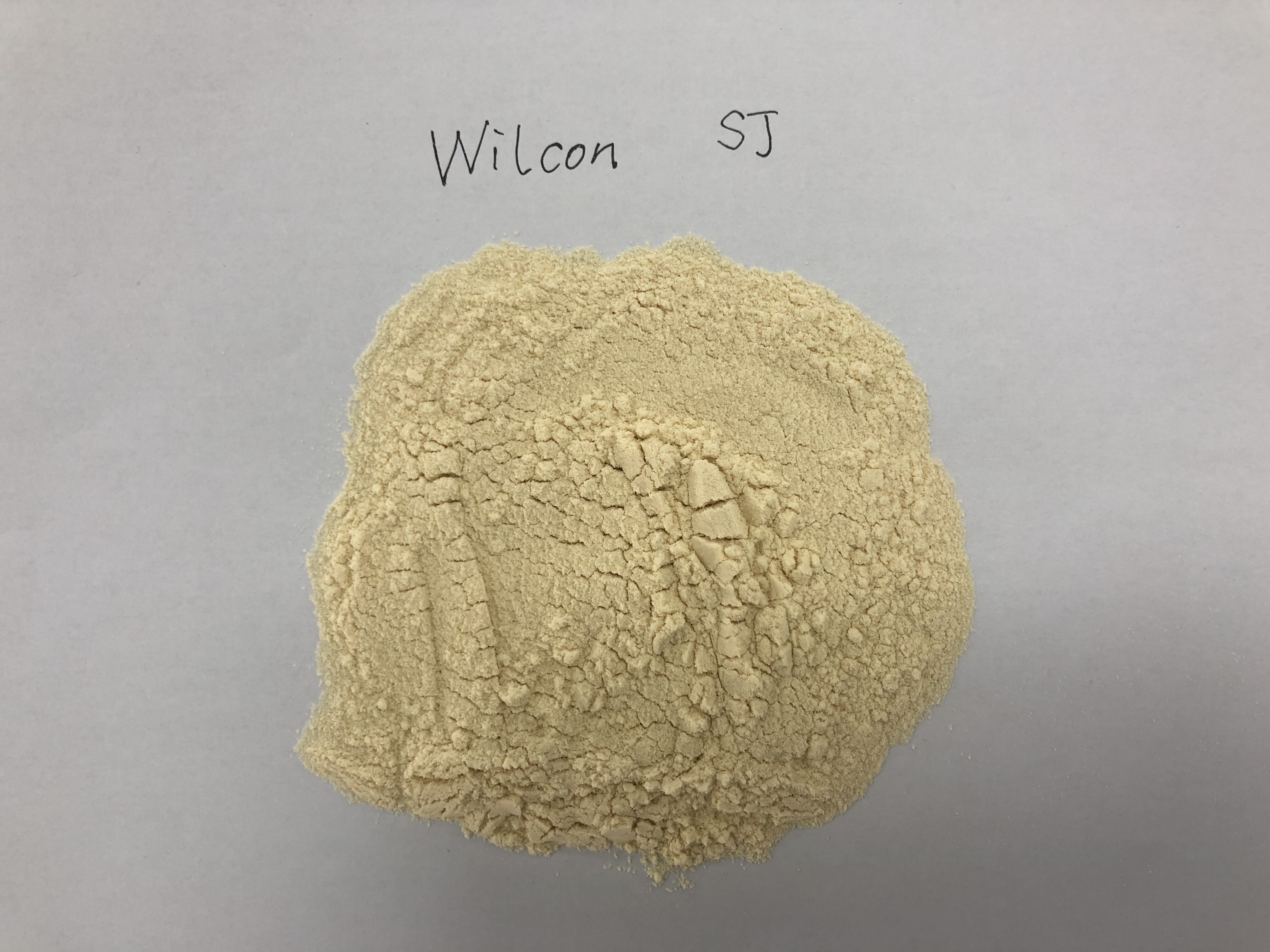
As plant-based nutrition gains momentum, the debate between soy protein vs whey protein for food applications intensifies. This comprehensive comparison examines their functional properties, nutritional profiles, and processing characteristics to help food technologists, product developers, and quality assurance professionals make informed decisions. Discover how soy protein's unique attributes position it as a versatile ingredient for modern food formulations.
Functional Properties in Food Systems
When evaluating soy protein versus whey protein for food manufacturing, functional performance is paramount. Soy protein isolates demonstrate exceptional water-binding capacity (up to 3.5x their weight), making them ideal for moisture retention in processed meats and baked goods. Their emulsification stability (measured at 85-92% by centrifugal testing) outperforms whey in high-fat systems like sausages and dressings. The gelation properties of soy protein (forming strength of 250-350g/cm²) provide structural integrity in meat analogs - a critical factor as plant-based alternatives gain 18% annual market growth. Meanwhile, whey protein's superior solubility (98% at pH 6-7) makes it preferable for clear beverages, though modern processing techniques have improved soy protein solubility to 90% in neutral pH applications.
Nutritional Profile Comparison
From a nutritional standpoint, soy protein contains all nine essential amino acids with a PDCAAS score of 1.0, matching whey protein's completeness. However, soy provides additional benefits with 2-3% isoflavones (genistein and daidzein) that demonstrate cardiovascular benefits in clinical studies. The mineral content differs significantly - soy naturally contains iron (8.8mg/100g) and calcium (277mg/100g), while whey provides higher bioavailable calcium through its milk-derived composition. For manufacturers developing products like Pickled Pepper Powder-seasoned meat alternatives, soy protein's 90% protein content (dry basis) and cholesterol-free profile align with current health trends.
Processing Considerations
Thermal stability becomes a decisive factor in food processing. Soy protein maintains functionality up to 140°C (284°F), making it suitable for extrusion and retort processing, whereas whey proteins begin denaturing at 70°C (158°F). This thermal resilience allows soy protein to perform consistently in applications requiring high-temperature sterilization or prolonged heating. The pH tolerance range also favors soy protein (stable from pH 2-10) compared to whey's narrower effective range (pH 3-7). Food technologists should note that soy protein's viscosity development requires precise hydration protocols - typically 10-15 minutes at 60°C (140°F) with shear mixing for optimal functionality.
Cost and Sustainability Analysis
Economic and environmental factors increasingly influence protein selection. Soy protein costs approximately $3.50-$4.50/kg compared to whey protein's $5.00-$7.00/kg range (2023 commodity pricing). The carbon footprint difference is substantial - soy production generates 0.4kg CO₂e per kg protein versus whey's 5.6kg CO₂e. Water usage similarly favors soy at 180 liters/kg protein compared to whey's 1,200 liters. These sustainability metrics align with our commitment to green manufacturing practices, including our BRC-certified facility that processes Pickled Pepper Powder using automated dust-free systems to minimize environmental impact.
Regulatory and Labeling Advantages
Soy protein offers distinct regulatory benefits for clean-label formulations. It qualifies as a natural ingredient under FDA 21 CFR 101.22, whereas whey protein concentrate often requires additional processing aids. The non-GMO project verification is more readily achievable with identity-preserved soy crops compared to dairy-derived ingredients. For allergen labeling, soy provides an alternative for manufacturers avoiding milk allergens (recognized by FDA as one of the Big 8). Our ISO 22000-certified production lines ensure compliance with these standards while delivering consistent quality in protein-fortified products.
Why Choose Our Protein Solutions
With over 20 years of specialized experience in food ingredient manufacturing, we combine technical expertise with sustainable practices to deliver superior soy protein ingredients. Our fully automated production systems ensure batch-to-batch consistency meeting HACCP standards, while our R&D team collaborates with clients to develop customized protein solutions. From sample development to bulk supply, we maintain rigorous quality control including X-ray detection and nutritional analysis. Contact our technical team today to discuss how our soy protein can enhance your product line's performance, nutrition, and sustainability profile.
Tag
Related Products
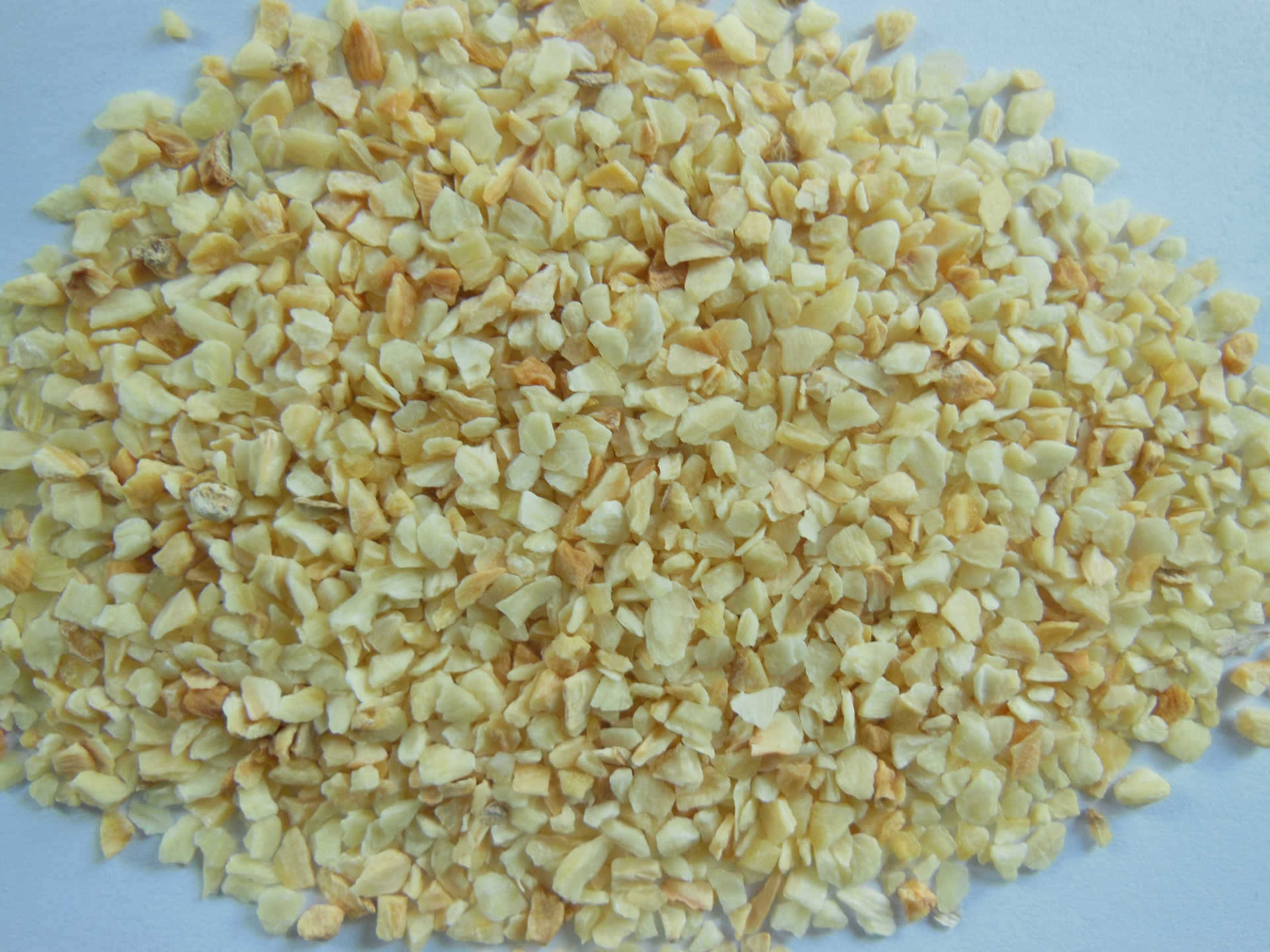
 Garlic GrainGarlic Grain cryogenically ground for pure aroma and long shelf life. 25kg kraft bag, low-temp milling, food-safety controls, 12-month guarantee.Read more
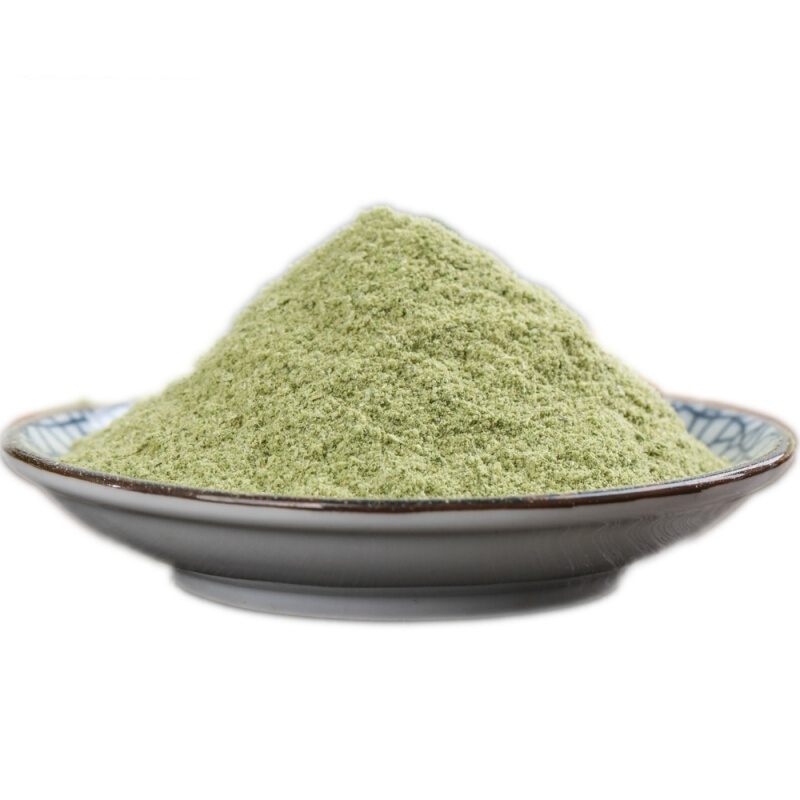
 Onions PowderHigh-quality onion powder with 12-month shelf life, packed in 25kg kraft bags. Produced using advanced low-temperature grinding to preserve aroma & nutrients. Ideal for food industry applications.Read more
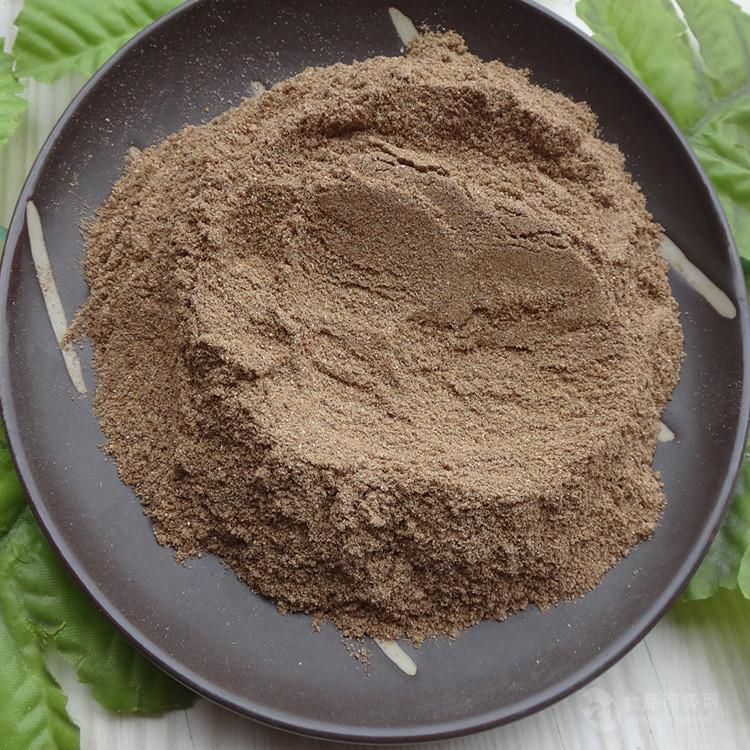
 Grass Fruit PowderPremium Grass Fruit Powder by Kangyuan Food. Low-temperature cryogenic grinding preserves aroma and nutrients. 25kg kraft bag, 12-month shelf life.Read more


Leave A Message
If you are interested in our products and want to know more details, please leave a message here, we will reply you as soon as we can.


